
Popping open the box on a new case and reading the tiny “Made in” sticker on the back panel is a small ritual for a lot of builders, and the answer is more consistent than most people expect. Anyone curious about where are PC cases made will find that the industry is concentrated in a handful of manufacturing regions, no matter which brand name is on the front panel.
- The vast majority of PC cases, regardless of brand, are manufactured in China.
- Taiwan-based brands like Lian Li design cases domestically but still produce most units in Chinese factories.
- Sweden’s Fractal Design and other Western brands also rely on Chinese contract manufacturing.
- Country of origin rarely affects build quality since most brands use the same tier of contract factories.
China Is the Manufacturing Hub
Whether the box says Corsair, Cooler Master, Thermaltake, NZXT, or Lian Li, odds are extremely high the sheet metal, tempered glass, and plastic trim were all formed and assembled in a Chinese factory. China’s manufacturing base has the sheet metal stamping, glass tempering, and injection molding infrastructure that case production depends on, and few other regions can match that scale at competitive cost.
- Sheet metal stamping and bending for steel panels
- Tempered glass cutting and tempering for side panels
- Injection molding for plastic front panels and trim
- Final assembly and packaging before export
Brand Headquarters vs. Where the Case Is Actually Built
A brand’s home country and its manufacturing location are two different things, and it’s easy to mix them up.
- Lian Li: headquartered in Keelung, Taiwan, but production runs primarily through Chinese facilities
- Fractal Design: designed and engineered in Gothenburg, Sweden, manufactured in China
- Corsair: headquartered in California, with production handled through contract manufacturers primarily based in China
This is standard practice across consumer electronics, not something specific to computer hardware. The design, engineering, and quality control standards are set by the brand, while the physical manufacturing is outsourced to specialized contract factories.
Fact Check: a “Made in China” label on a case says nothing about its build quality on its own. Premium cases from Lian Li and budget cases from lesser-known brands can both come out of factories in the same industrial region, with quality determined by the brand’s own tolerances and QC process, not the country stamp.
Are Any Cases Made Outside China?
A small number of niche and boutique case makers produce limited runs elsewhere, including some smaller batch aluminum cases assembled in Taiwan or made-to-order fabrication shops in the US and Europe. These tend to be expensive, low-volume products aimed at enthusiasts rather than mainstream builders, and they’re the exception rather than the rule.
Does Manufacturing Location Affect Price or Quality?
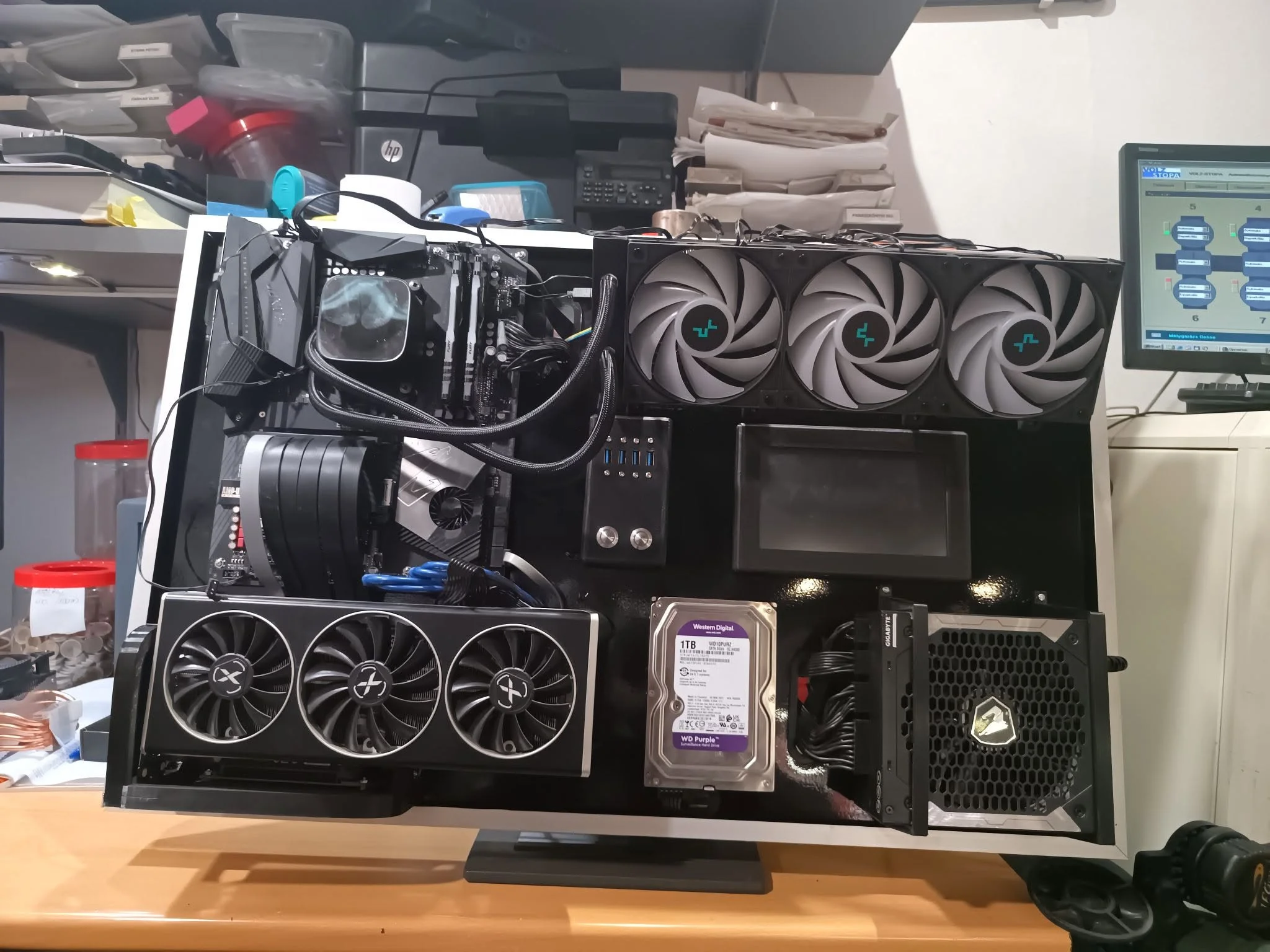
Not directly. What actually drives quality differences between cases is:
- Steel gauge thickness used for the panels
- Glass tempering standard and edge finishing
- Fit and finish tolerances the brand enforces during QC
- Whether the brand does in-house design or licenses a generic factory mold
Two cases can come from the exact same industrial park in China and end up with completely different quality, because one brand spent more on tooling and QC standards than the other.
1. Are all PC cases made in China?
Not literally all, but the large majority of mainstream case brands manufacture in China, even when the company itself is headquartered elsewhere.
2. Does Lian Li make its cases in Taiwan?
Lian Li is headquartered in Taiwan, but most of its case production runs through manufacturing facilities in China like the rest of the industry.
3. Does where a case is made affect its quality?
Not directly. Build quality comes down to the brand’s design tolerances and QC standards more than the country of manufacture.
Manufacturing details mentioned here are based on general industry patterns and publicly available brand information, and specific factory locations can change over time, so check individual product packaging for the most current origin labeling.