

Modern game installations frequently consume over a hundred gigabytes, quickly overwhelming internal drives on consoles and gaming PCs alike. Investing in the best SSD external hard drives for gaming solves this capacity bottleneck without sacrificing responsiveness. Understanding what is the difference between HDD and SSD performance makes it clear why solid state storage is necessary.
Recommended by Us
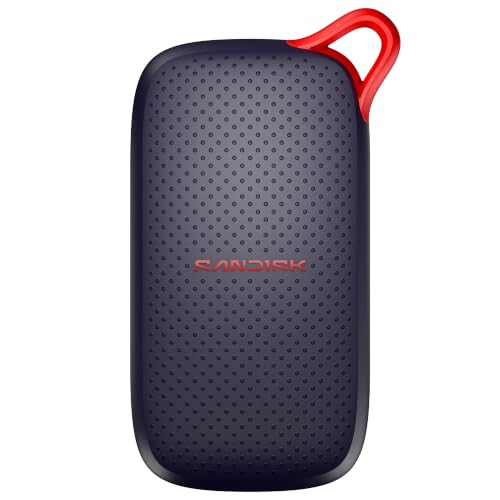
SanDisk 1TB Portable SSD
- High-speed read performance up to 1000MB/s reduces transfer waiting times
- Drop protection up to 2 meters adds confidence during travel
- Extremely lightweight at 0.07 pounds with pocket-friendly dimensions
- Instant plug-and-play operation requiring no external drivers
- Manufacturer listing does not state maximum write speeds
- Enclosure lacks an ingress protection rating for water resistance
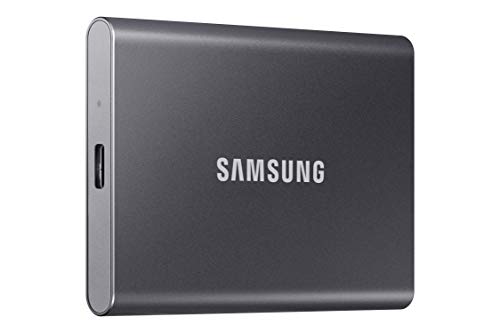
Samsung T7 2TB Portable SSD
- Fast transfer speeds up to 1,050MB/s for smooth file handling
- Pocket-sized aluminum body provides solid drop protection up to 6 feet
- Direct-to-drive 4K ProRes 60fps recording capability
- Extremely lightweight at approximately 0.13 pounds
- Chassis can warm up noticeably during sustained, high-speed write tasks
- Standard model lacks an IP-certified water and dust resistance rating
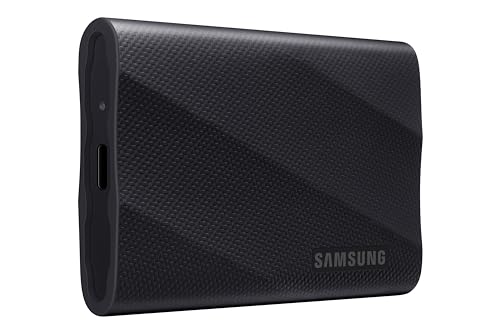
Samsung T9 Portable SSD 1TB
- Fast transfer rates up to 2,000 MB/s via USB 3.2 Gen 2x2
- Dynamic Thermal Guard prevents throttling under heavy load
- Lightweight and pocket-friendly at 0.27 pounds
- Supports direct recording of iPhone 15 ProRes 4K at 60fps
- Maximum speeds require a host device equipped with USB 3.2 Gen 2x2 ports
- 1TB capacity may fill up rapidly when capturing uncompressed high-bitrate video

WD_BLACK 1TB P40 Game Drive SSD
- Fast transfer rates up to 2,000MB/s via USB 3.2 Gen2x2
- Durable shock-resistant body withstands drops up to two meters
- Extremely lightweight and compact at 0.17 pounds
- Vibrant, customizable RGB lighting strips
- RGB customization software is only compatible with Windows
- Reaching maximum 2,000MB/s speeds requires a USB 3.2 Gen2x2 host port
- PS5 and Xbox Series X|S games can only be archived, not played directly
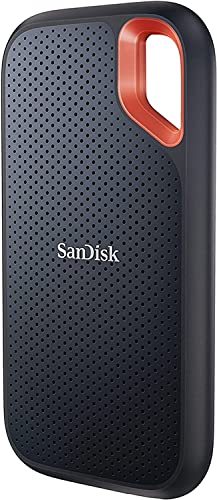
SanDisk 2TB Extreme Portable SSD
- Impressive read speeds up to 1050MB/s via modern USB-C USB 3.2 Gen 2 interface
- Ruggedized design with IP65 weather rating and 3-meter drop protection
- Extremely lightweight at just 0.11 pounds for effortless everyday carry
- Includes 256-bit AES hardware encryption for robust personal data security
- Sustained transfer performance can vary depending on the host hardware used
- Integrated carabiner clip is not included in the box, only the built-in loop
Samsung T9 2TB Portable SSD
- Fast transfer rates of up to 2,000 MB/s cut down export times
- Dynamic thermal management helps prevent performance drops during sustained transfers
- Supports direct iPhone 15 Pro ProRes 4K recording at 60fps
- Compact, pocket-friendly footprint weighing roughly a quarter of a pound
- Reaching maximum 2,000 MB/s speeds requires a host device with USB 3.2 Gen 2x2 support
- Specific IP dust and water resistance ratings are not stated in the product details
Samsung T7 1TB Portable SSD
- Blazing transfer rates up to 1,050MB/s for fast file backups
- Compact aluminum build weighs just 0.13 pounds
- Direct 4K ProRes 60fps video capture support
- Drop-resistant engineering up to 6 feet
- Listing does not state an IP rating for water or dust resistance
- Cable types included in the box are not detailed in the specifications
Selecting the Right Drive for Your Game Library
When deciding which drive to attach to your gaming setup, physical durability and interface bandwidth should lead your decision. Desktop players often prioritize raw transfer rates to speed up file relocations, whereas players using laptops or handhelds need compact, resilient shells. If your desktop case is cramped or you are unsure where is the SSD located in a computer, an external option completely avoids system teardowns. Storage maker Western Digital provides specialized companion dashboard software to streamline drive management.
- If you switch between a console and a PC rig, WD_BLACK 1TB P40 is the one I would go with because it provides USB 3.2 Gen2x2 interface speeds up to 2,000MB/s and includes customizable RGB lighting.
- For heavy sessions with massive titles, I would point performance seekers toward Samsung T9 2TB, which uses Dynamic Thermal Guard to control heat while sustaining read speeds up to 2,000MB/s.
- If you travel with your setup, SanDisk 2TB Extreme is my clear choice thanks to its handy carabiner loop, IP65 water and dust resistance, and drop protection up to three meters.
FAQs
1. Can you run modern games directly from an external drive?
Yes, PC games can run straight from a fast portable drive with virtually no difference compared to internal SATA drives. Modern consoles like the PlayStation 5 and Xbox Series X allow you to play previous generation games directly, but native current generation titles must usually be transferred to internal storage to launch.
2. What connection standard gives the best performance for external gaming?
USB 3.2 Gen 2 interfaces offer transfer rates up to 10 Gbps, reaching speeds around 1,050 MB/s, which easily handles gaming workloads. Drives utilizing USB 3.2 Gen 2×2 can reach up to 2,000 MB/s on compatible motherboards. Before upgrading, checking how many M.2 slots does a motherboard have can help you decide between internal expansions and high-speed external ports.
3. Does thermal throttling affect portable solid state drives during gameplay?
Extended gaming sessions and large file transfers generate heat that can throttle drive speeds if the casing lacks heat dissipation. Advanced models incorporate dynamic thermal protection systems to keep operating temperatures stable. Tech publication Tom’s Hardware notes that sustained thermal regulation is essential for preventing stuttering during long background game installations.
4. Should you compress game files to save space on an external drive?
Compressing game installations is generally not recommended because modern assets like textures and audio are already heavily compressed. Adding operating system compression forces your CPU to decompress files on the fly, which can cause micro-stuttering. Reviewing should you compress an SSD drive explains how file compaction compromises real-time gaming performance.
Editor’s Verdict
Finding the best SSD external hard drives for gaming comes down to balancing speed and ruggedness. For blazing speeds and console flexibility, WD_BLACK 1TB P40 delivers stellar 2,000MB/s throughput with striking RGB flair. Meanwhile, SanDisk 2TB Extreme remains the ultimate travel companion thanks to its generous capacity and durable water-resistant construction.




