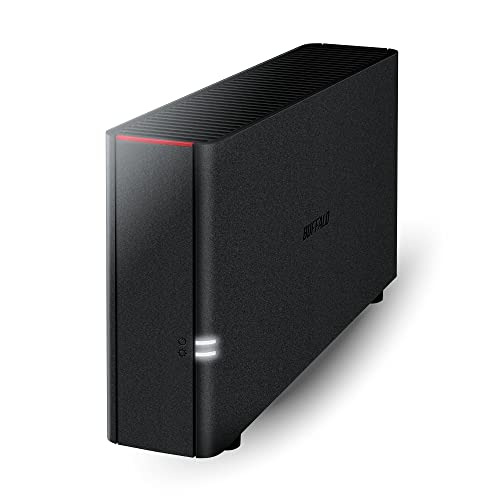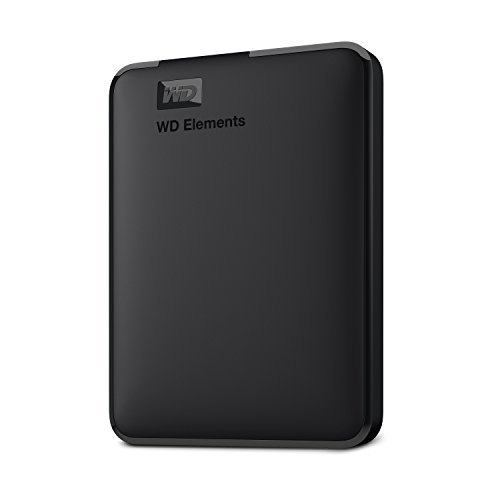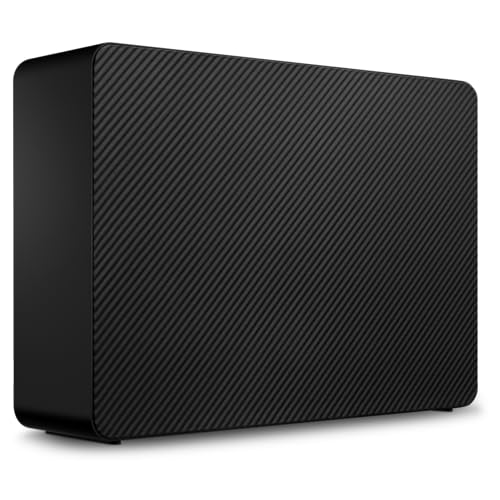

Modern laptops and gaming systems quickly run low on local space, making secondary storage necessary for media archives and installs. Finding the best USB-C external hard drives ensures dependable backups and convenient file access across devices. Learning what is the difference between HDD and SSD technology makes choosing the right format straightforward.
Recommended by Us

YOTUO 500GB Portable External HDD
- Protective silicone sleeve adds drop resistance for travel and desk use.
- Flexible connectivity options supporting both USB 3.0 and USB-C ports.
- Plug-and-play simplicity with no driver installation required.
- Seamlessly offloads older generation console games to free up internal console storage.
- Modest 500GB capacity fills up quickly with modern large game installations.
- Cannot run or store native PlayStation 5 or Xbox Series X/S games directly.
- As a mechanical hard drive, it cannot match the speeds of an external SSD.

YOTUO 1TB Portable External HDD
- Integrated silicone bumper adds drop resistance without extra bulk
- Plays previous-generation console games directly from the drive
- True plug-and-play usability across computers and gaming systems
- Lightweight design at just 0.3 pounds for easy portability
- Cannot run or store native PS5 or Xbox Series X/S games directly
- Traditional spinning hard drive mechanics are slower than SSDs
- Sustained read and write speeds are not specified in the listing

SanDisk 1TB Portable Drive
- Fast read speeds up to 600MB/s offer a clear upgrade over mechanical drives
- Extremely lightweight at 0.07 pounds with pocket-friendly dimensions
- Durable architecture protects against drops up to two meters
- Convenient USB-C ready connectivity for straightforward setup
- Dedicated write speed figures are not specified in the product listing
- No stated ingress protection rating against water or dust exposure

SSK 1TB Portable External SSD
- Rapid transfer speeds up to 1050MB/s over USB 3.2 Gen2
- Low power draw makes it ideal for mobile phone recording
- Robust 2mm thick aluminum casing helps manage heat
- Includes both USB-A and USB-C connection cables
- Formatted capacity shows as roughly 931GB on Windows systems
- No official water or dust resistance rating listed

- Massive 8TB storage capacity in a desktop form factor
- Powers directly through USB-C without requiring an electrical wall outlet
- Ready for use with both macOS and Windows platforms
- Includes Rescue Data Recovery Services
- Manufacturer does not specify exact read and write transfer speeds
- Weighs over 2.5 pounds, making it better suited for desks than mobile travel

Kosbees 500GB Portable External HDD
- Lightweight design weighing just 0.35 pounds makes it easy to take anywhere
- Instant plug-and-play functionality on Windows systems
- Respectable USB 3.0 transfer rates up to 133MB/s read speed
- Convenient storage expansion for PS4 and Xbox One consoles
- Requires reformatting to ExFAT before it works with Mac computers
- Cannot run current-gen PS5 or Xbox Series X|S games directly from external storage
- Modest 500GB capacity limits how many modern games can be archived at once
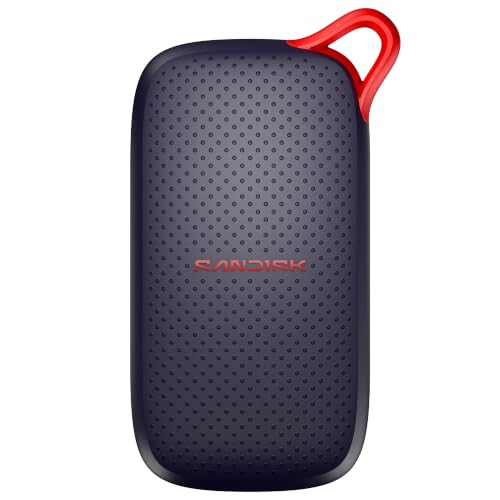
SanDisk 1TB Portable SSD
- High-speed read performance up to 1000MB/s reduces transfer waiting times
- Drop protection up to 2 meters adds confidence during travel
- Extremely lightweight at 0.07 pounds with pocket-friendly dimensions
- Instant plug-and-play operation requiring no external drivers
- Manufacturer listing does not state maximum write speeds
- Enclosure lacks an ingress protection rating for water resistance
Matching Storage Drives to Your Setup
When deciding between external units, your daily workflow dictates whether you need raw volume or rapid transfer speeds. For massive archival needs where desk clutter is a concern, I would point you toward the Seagate One Touch 8TB. It operates completely on bus power without an external wall adapter, and Seagate packages it with data recovery coverage for added security.
If rapid file transfers for 4K video or active mobile work matter most, I would go with the SSK 1TB Portable SSD. It achieves read rates up to 1050MB/s, uses an aluminum shell to manage thermal heat, and includes SLC caching. Anyone interested in storage history can read about when did SSDs come out to see how far portable flash has progressed. For routine backups and legacy console titles, the YOTUO 1TB Drive is a sensible pick, featuring a built-in protective silicone sleeve and weighing just 0.16 kg.
FAQs
1. Can external hard drives run modern console games directly?
Current consoles like the PS5 and Xbox Series X require their specialized internal storage to launch modern releases. External drives allow you to archive next-gen games or run older generation games directly from the external unit to preserve internal capacity.
2. Is an external SSD better than an external hard drive?
Solid state drives feature no moving parts, delivering significantly higher read and write speeds alongside superior drop resistance. Mechanical hard drives offer much higher capacity per unit cost, making them preferable for deep archival storage. Hardware enthusiasts at Tom’s Hardware frequently note that workflow needs dictate the ideal choice.
3. Why does my drive report less space than advertised?
Storage manufacturers calculate drive space using decimal gigabytes, where one gigabyte equals one billion bytes. Operating systems like Windows use binary calculations, so a 500GB drive typically displays as approximately 465GB of usable storage in system menus without indicating any hardware defect.
4. Should you compress files on external drives to save room?
File compression can save disk space on slower spinning disks, but it introduces processor overhead during read cycles. Knowing should you compress an SSD drive helps avoid unnecessary wear on solid state media while maintaining snappy overall transfer performance.
Editor’s Verdict
Selecting among the best USB-C external hard drives comes down to prioritizing sheer volume or portable speed. If you need vast archival capacity without cumbersome power bricks, the Seagate One Touch 8TB is my top recommendation. For high-speed transfers and durable mobile capture, the SSK 1TB Portable SSD remains an exceptional companion.