

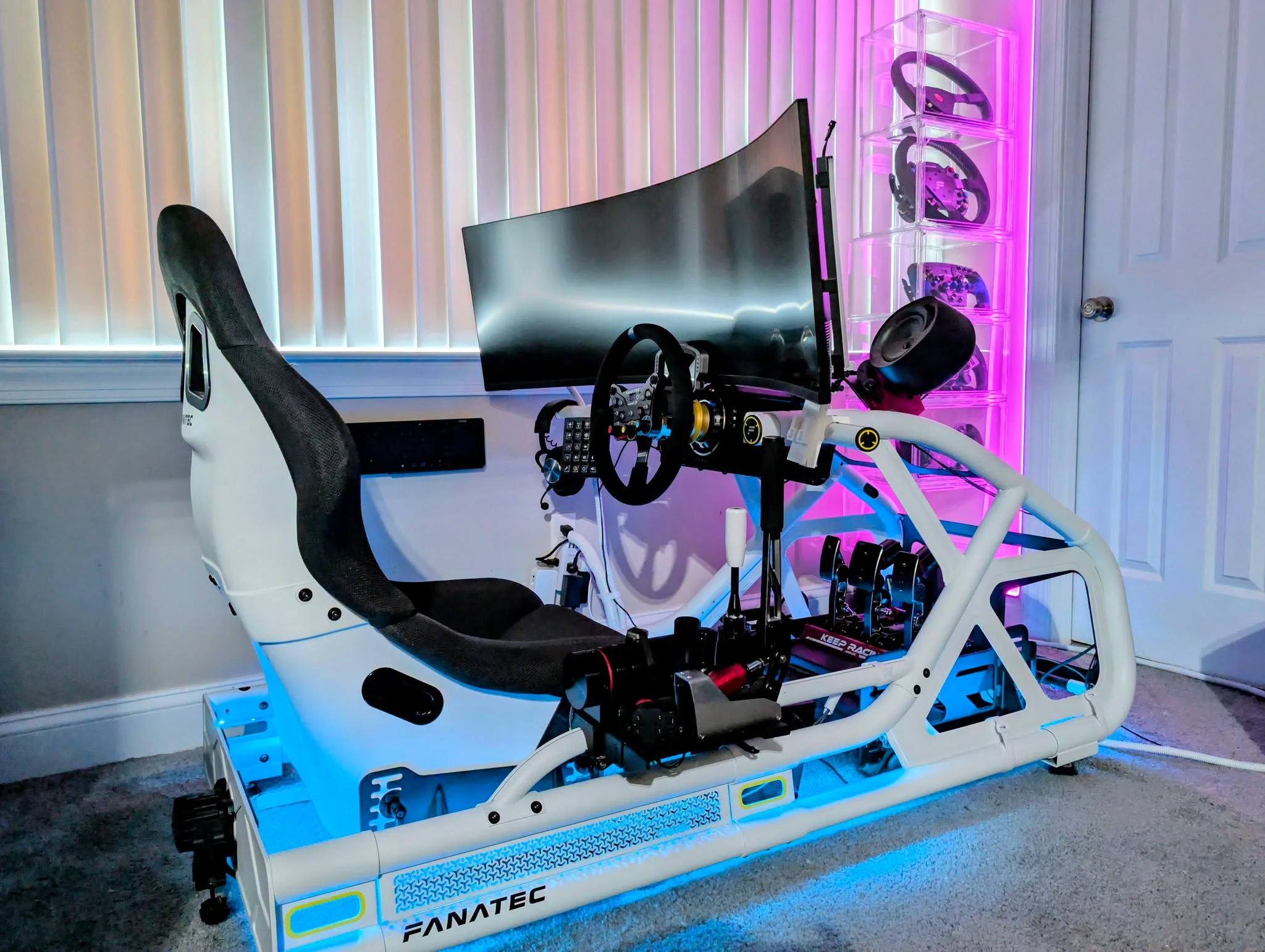
New sim racers almost always want a cockpit before they need one. It looks like the centerpiece of a real setup, and it’s tempting to buy the rig first and figure out the rest later. That order usually backfires, and understanding what a cockpit actually does helps explain why.
- A sim racing cockpit is a rigid frame that holds your wheel, pedals, and seat in a fixed position.
- Rigidity matters more than looks, since a flexing frame ruins force feedback and braking consistency.
- Most beginners are better off starting with a simple stand before committing to a full cockpit.
What a Cockpit Is Actually For
A sim racing cockpit isn’t just a chair with a wheel bolted to it. It’s a rigid frame built to keep the wheel mount, pedal plate, and seat locked in the exact same position every single session, according to SimRacingCockpit’s beginner setup guide.
- Consistency builds muscle memory. Braking points and steering inputs become more precise when the seat, wheel, and pedals never shift between sessions.
- Rigidity protects force feedback quality. A frame that flexes under load absorbs some of the force a direct drive or belt-driven wheel is trying to send to the driver’s hands.
- It’s also the mounting point for everything else a setup eventually grows into, from a shifter and handbrake to a triple monitor stand.
The Three Main Cockpit Styles
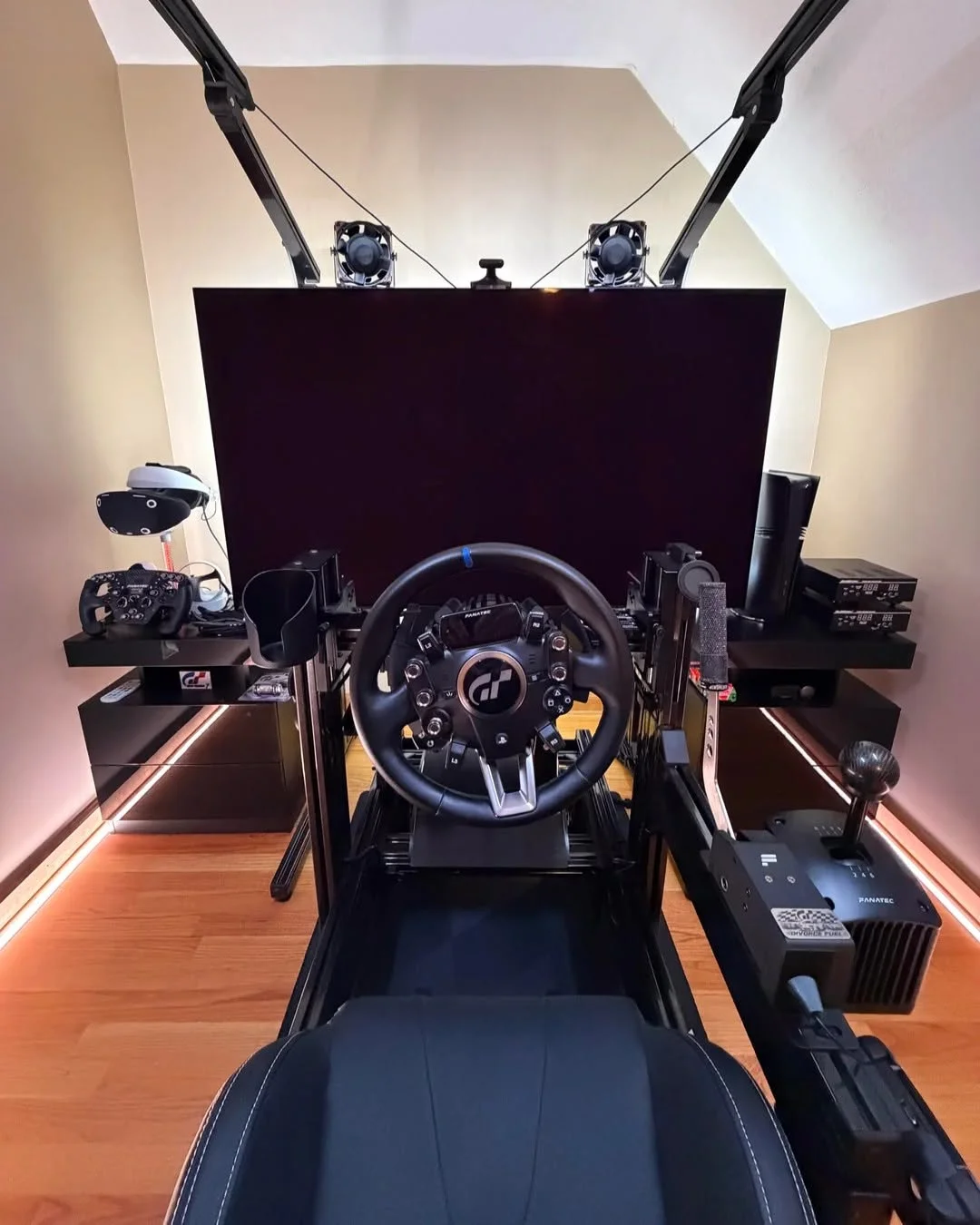
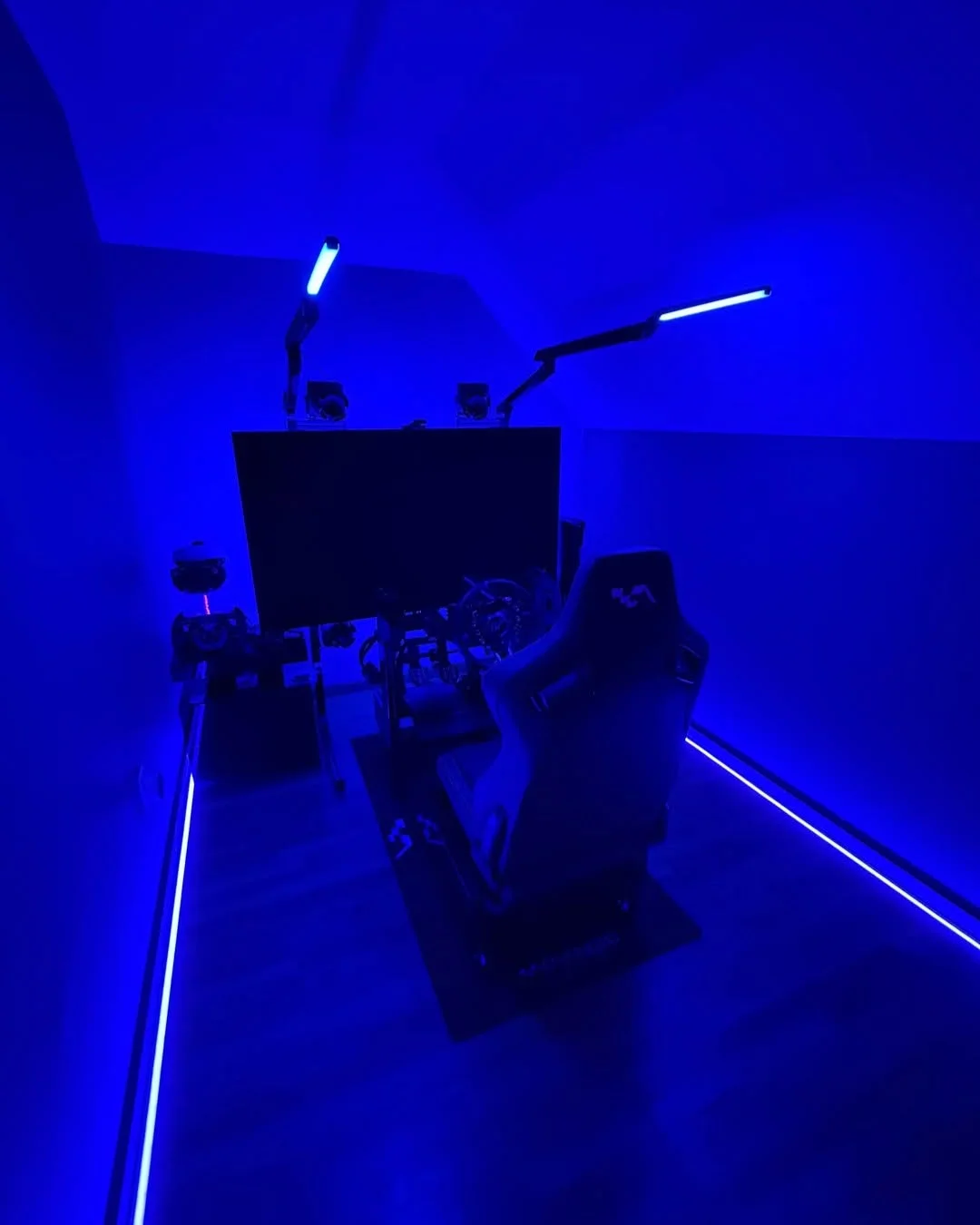
- Foldable cockpits trade some rigidity for the ability to store the whole rig away between sessions, a common pick for anyone short on dedicated space.
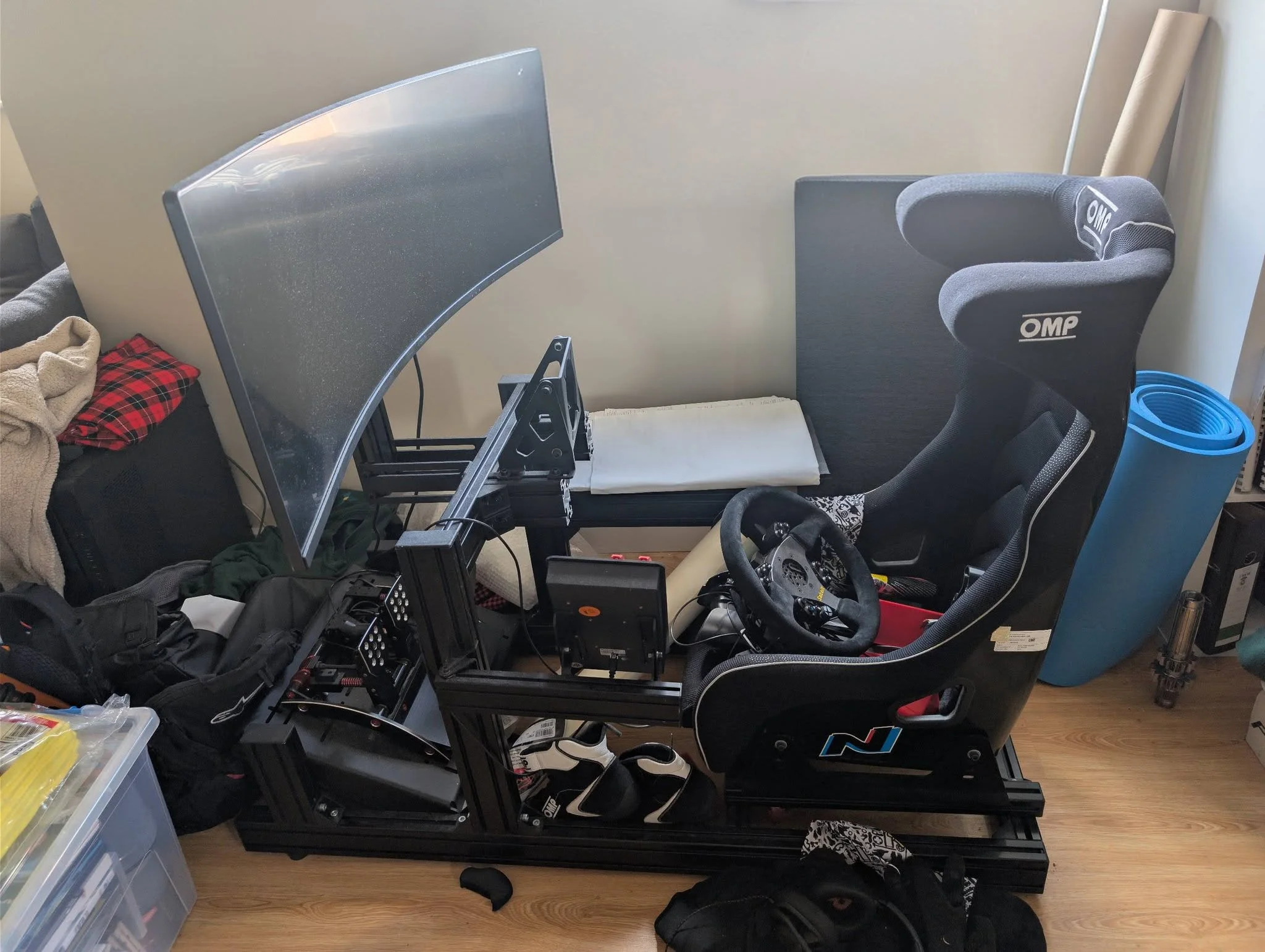
- Tubular steel cockpits use round steel tubing for a sturdy, budget-friendly frame that’s typically not adjustable in length once built.
- Aluminum profile rigs use extruded aluminum rail, letting almost every mounting point slide and adjust, which is why most mid-range and premium cockpits use this style.
Worth Knowing: A stronger wheelbase doesn’t automatically need a stronger cockpit right away, but pushing high torque through a flexing frame is one of the fastest ways to make an expensive direct drive wheel feel worse than it should.
Do You Need One Right Away?
Plenty of sim racing guides actively recommend against buying a full cockpit as a first purchase. A simple wheel stand or even a desk-mounted setup can deliver most of the benefit for a fraction of the cost and space commitment, since a cockpit tends to become a permanent fixture in a room once it’s built.
- A wheel stand is the more sensible starting point for most beginners, especially anyone still deciding how serious the hobby will become.
- A dedicated cockpit makes more sense once torque levels climb high enough that a stand starts to flex, or once pedals and a shifter need a permanent, adjustable mounting surface.
FAQ
1. Can I use a direct drive wheel without a cockpit?
Yes, as long as the mounting surface is rigid enough. A reinforced desk or a dedicated wheel stand can handle moderate torque levels without a full cockpit.
2. What’s the difference between a wheel stand and a cockpit?
A wheel stand mounts just the wheel and usually the pedals, while a full cockpit adds a fixed racing seat and typically more mounting points for accessories like a shifter or handbrake.
3. Are aluminum profile cockpits worth the extra cost?
For most enthusiasts, yes. The ability to adjust seat position, pedal distance, and wheel height as a driver’s preferences change tends to pay off over the life of the rig.
4. Do cockpits work with console setups too?
Most cockpits are platform-agnostic and will accept wheels and pedals from any brand, as long as the mounting hardware matches, so console-based sim racers can use the same rigs as PC drivers.
Final Take
A cockpit is a rigidity upgrade dressed up as a furniture purchase. It’s worth buying once a setup has outgrown a stand or desk mount, but it’s rarely the smartest first purchase for someone still figuring out how much they’ll actually use the hobby.
This guide reflects general buying guidance based on current sim racing hardware trends. Pricing and specific model availability change frequently, so always check current listings before buying.
