

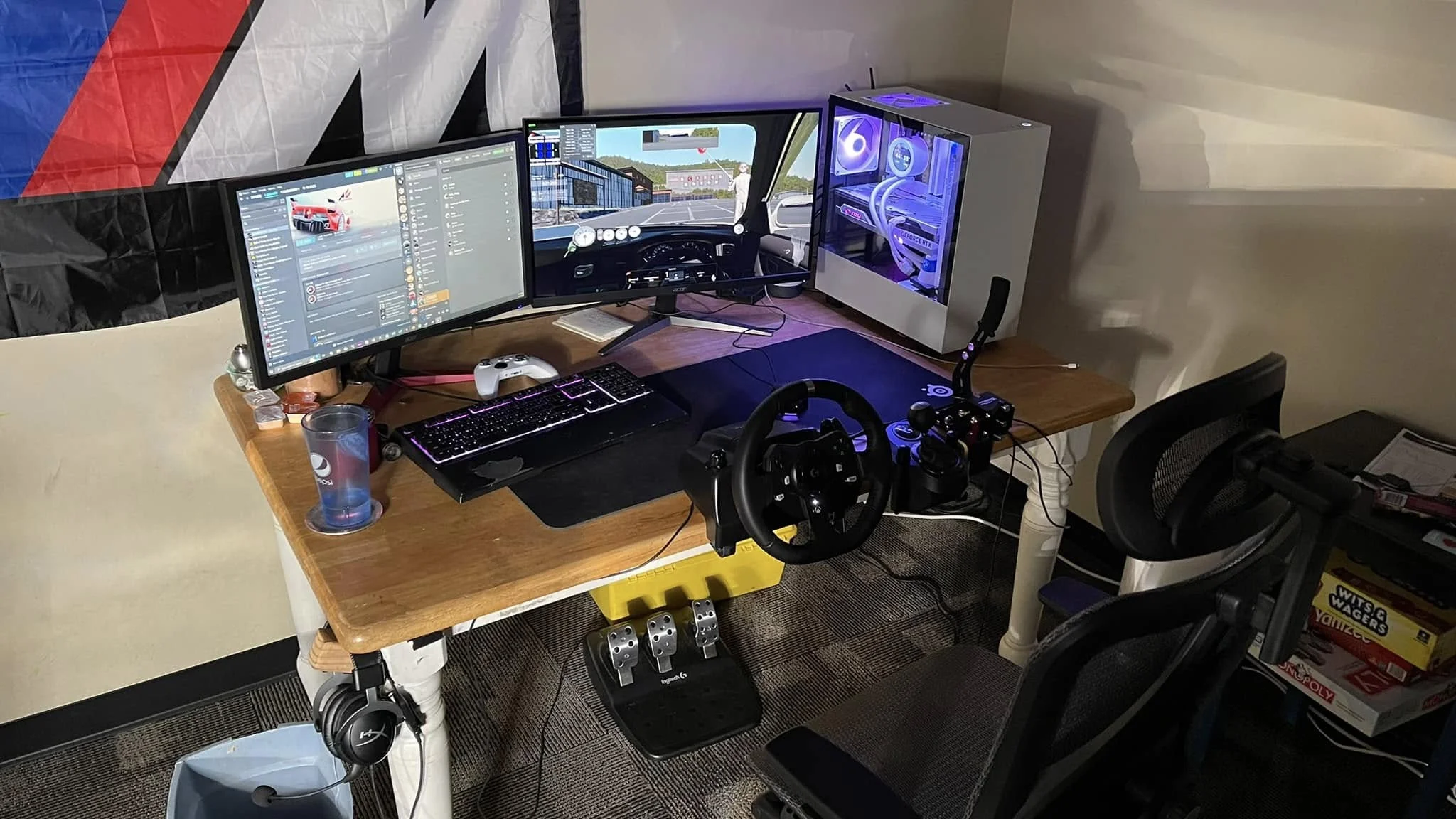
The honest answer to this question annoys most people the first time they hear it: it depends entirely on how far the hobby pulls you in. A functional setup can cost less than a mid-range gaming monitor, while a serious one can rival the price of a used car. Knowing what changes between those extremes makes budgeting a lot less overwhelming.
| Tier | Price Range | What’s Typically Included |
|---|---|---|
| Entry-Level | $500 to $1,000 | Belt or entry direct drive wheel, basic pedals, desk mount or compact stand, single monitor |
| Enthusiast | $1,000 to $3,000 | Entry direct drive wheelbase, load cell pedals, reinforced stand or entry cockpit, optional VR or ultrawide monitor |
| Serious Racer | $3,000 to $7,000 | Mid to high-torque direct drive base, advanced pedals, rigid cockpit, triple monitor or high-end VR setup |
| Ultimate | $7,000 to $15,000+ | Fully custom pro rig, top-tier hardware across the board, often motion platforms or turnkey commercial rigs |
- A usable sim racing setup can start under $1,000 including a basic wheel, pedals, and a monitor you likely already own.
- Direct drive wheels and load cell pedals are the two upgrades that most noticeably raise the entry price.
- Mounting hardware and PC upgrades are the hidden costs beginners underestimate the most.
- Most drivers plateau somewhere in the enthusiast tier long before reaching pro-level pricing.
Where the Money Actually Goes
According to ProSimHQ’s budget breakdown guide, the recommended upgrade order for most drivers is pedals first, then rig stability, then wheelbase, then displays. That’s a different order than most beginners expect, since the wheel usually feels like the exciting purchase.
- Pedals often deliver the biggest jump in consistency per dollar, especially moving from potentiometer pedals to a load cell brake.
- Rig stability comes next, since a wobbly mount undermines whatever wheel or pedal upgrade comes after it.
- The wheelbase is usually the single most expensive line item, and the one most drivers keep upgrading over time.
- Displays, whether a single monitor, triples, or VR, tend to come last once the core hardware feels solid.
A Realistic Entry Build
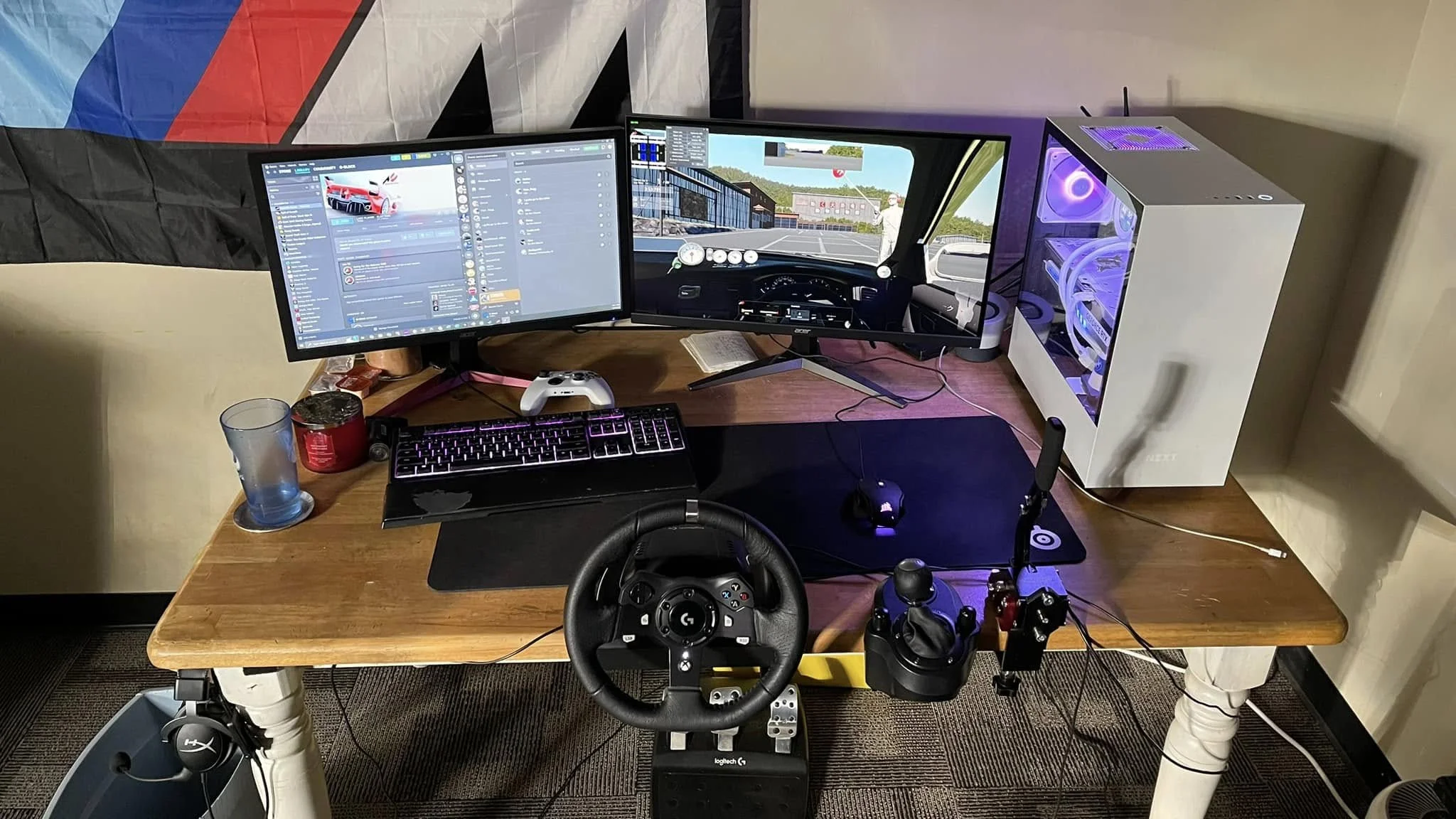
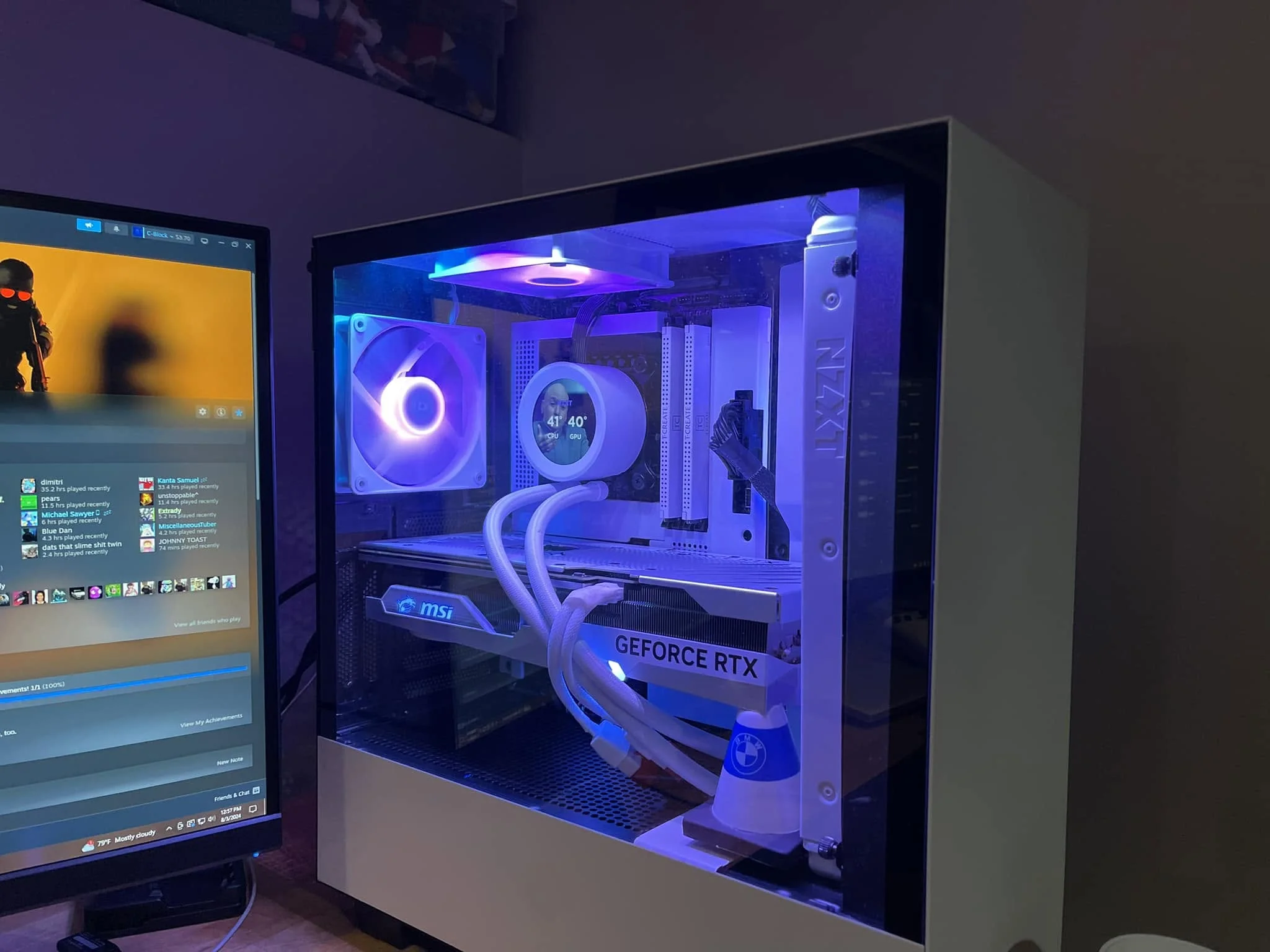
An entry direct drive bundle, like a MOZA R3 or R5 Racing Bundle, paired with a basic wheel stand and a PC most people already own for gaming, lands a genuinely competitive-feeling setup well inside the entry-level tier. Adding an iRacing subscription or a one-time purchase title like Assetto Corsa is a small addition on top, not a major line item.
What Breaks First at Each Tier
- At the entry tier, pedals are usually the first thing to feel limiting. A basic potentiometer pedal set makes braking consistency hard to build even on a decent wheel.
- At the enthusiast tier, mounting stability tends to be the next wall. A desk clamp that was fine for a belt-driven wheel can start to flex once a direct drive base is added.
- At the serious racer tier, the display setup usually becomes the limiting factor for immersion, since peripheral vision matters a lot for judging apex points and traffic.
A Second Realistic Build: Stepping Up to Enthusiast Tier
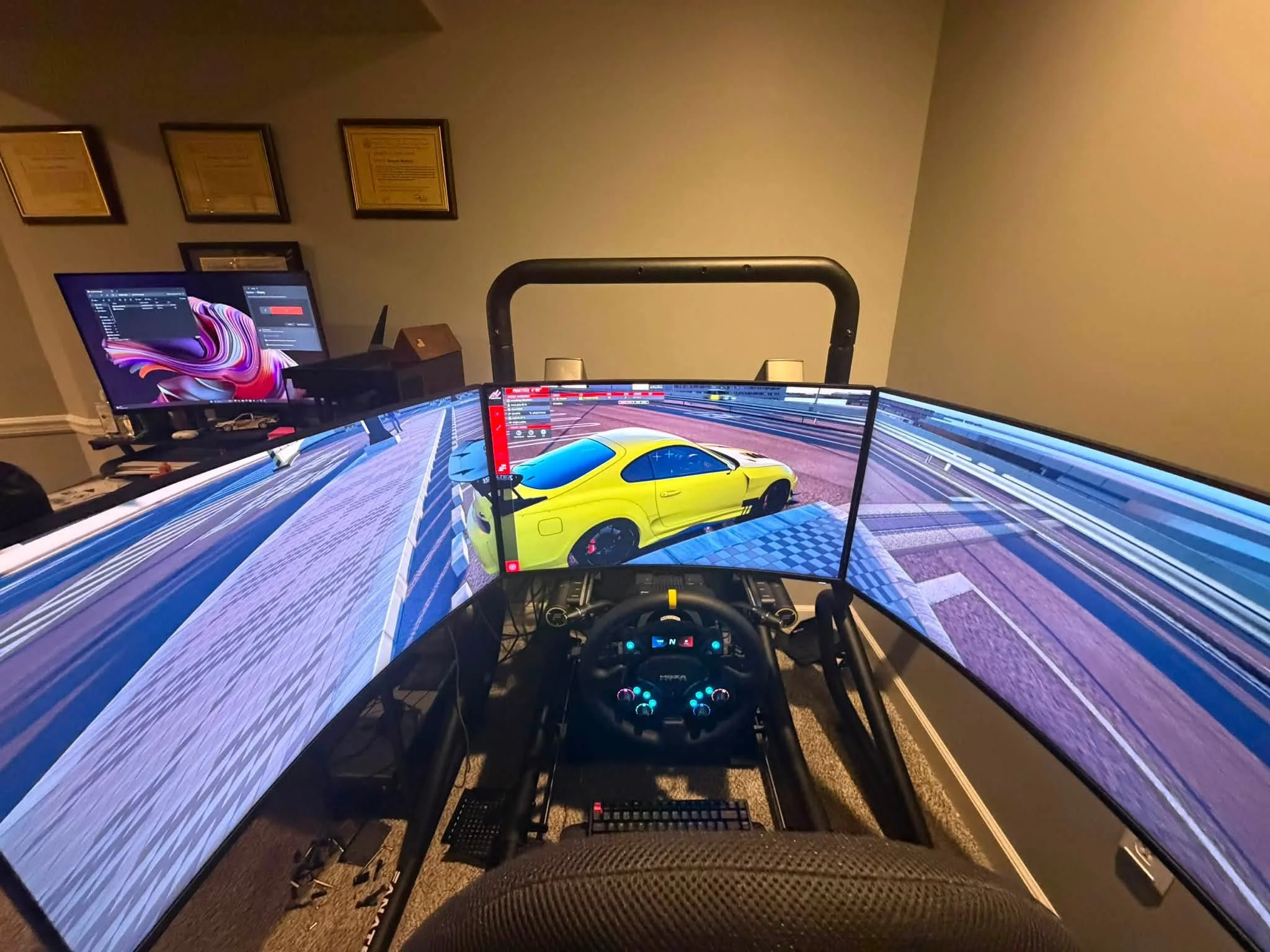
A common upgrade path looks like starting with an entry direct drive bundle and a basic stand, then adding a proper load cell pedal set once braking consistency starts to feel like the bottleneck, and finally moving to a reinforced stand or entry cockpit once the wheelbase’s torque starts to overpower the original mount. Spreading purchases out this way, rather than buying everything at once, is how most enthusiast-tier setups actually get built.
The Hidden Costs Beginners Miss
- Mounting hardware becomes a real cost once torque climbs high enough that a desk starts to flex, pushing buyers toward a stand or cockpit sooner than expected.
- PC requirements can quietly become the biggest expense of all, especially for anyone planning on triple monitors, VR, or demanding titles like Assetto Corsa Evo.
- Software and subscriptions, like iRacing’s yearly cost or a league membership, are recurring rather than one-time, which is easy to forget when budgeting for hardware alone.
FAQ
1. Can I start sim racing for under $500?
Yes, a basic belt-driven wheel and pedal set connected to a PC or console you already own can get a driver started for a few hundred dollars.
2. Is direct drive worth it at the entry level?
Entry direct drive bundles have gotten close enough in price to premium belt-driven wheels that it’s often worth stretching the budget if direct drive is within reach.
3. What should I upgrade first with a limited budget?
Pedals, specifically a load cell brake, tend to offer the most noticeable improvement in consistency for the money compared to upgrading the wheel first.
4. Do I need a gaming PC built specifically for sim racing?
Not necessarily. A solid gaming PC capable of running modern titles at good frame rates is generally enough, though triple monitor or VR setups raise the GPU requirements meaningfully.
Final Take
Sim racing doesn’t require the multi-thousand-dollar setups that dominate YouTube thumbnails to be enjoyable and competitive. Most of the meaningful feel comes from the pedals and a stable mount, not the biggest number on the wheelbase spec sheet.
This guide reflects general buying guidance based on current sim racing hardware trends. Pricing and specific model availability change frequently, so always check current listings before buying.


