
“Do I need a whole cockpit, or will a stand do?” is one of the most asked questions in sim racing forums, and the honest answer changes depending on how the setup actually gets used week to week, not just what fits the budget.
The Core Tradeoff
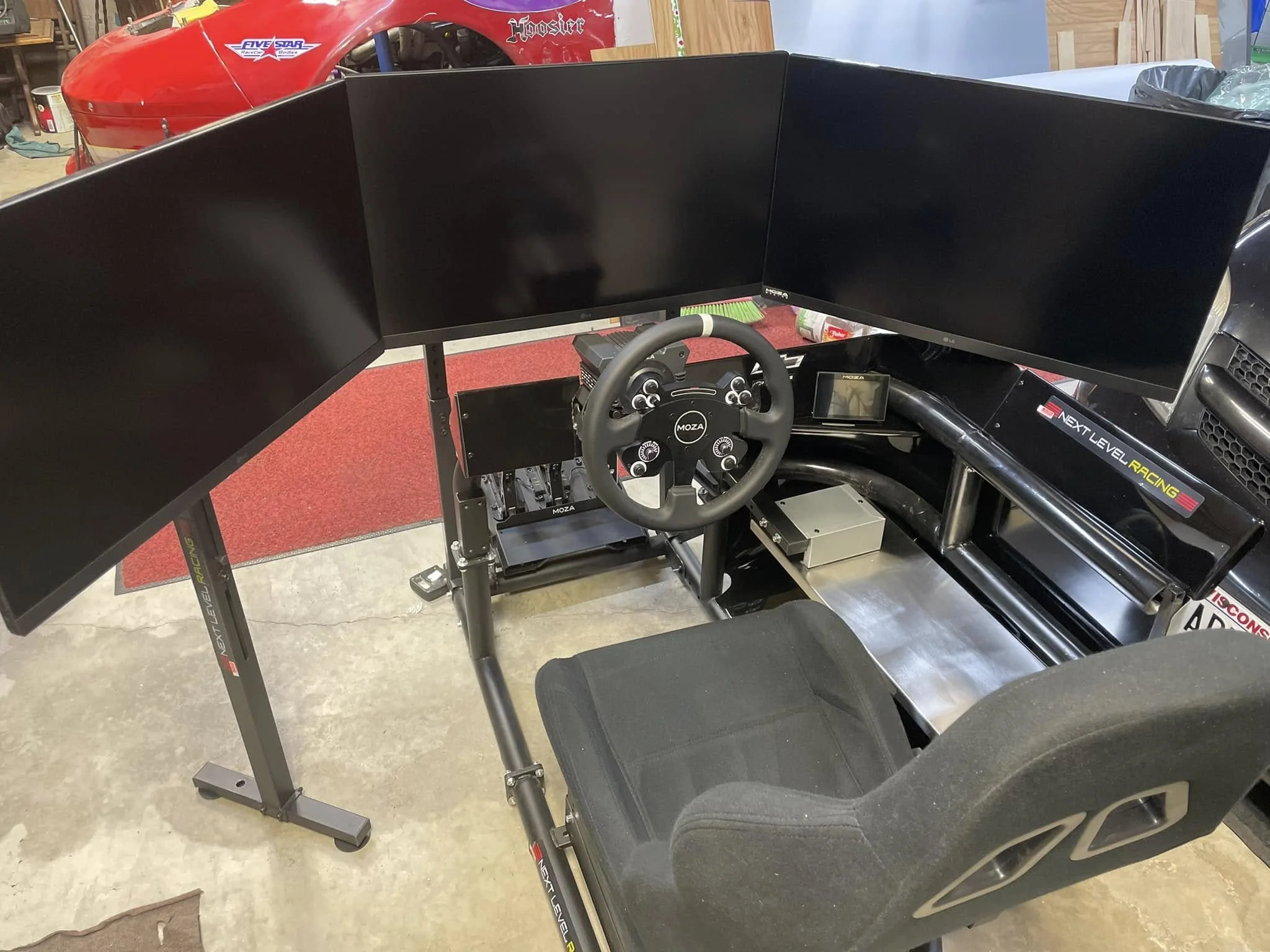
A wheel stand wins on space and cost. A fixed rig wins on stability and repeatability. According to GTR Simulator’s comparison guide, wheel stands typically run $200 to $400, while stable mid-range cockpits sit in the $400 to $900 range before adding a wheelbase or pedals.
| Wheel Stand | Fixed Rig | |
|---|---|---|
| Storage | Foldable, easy to tuck away | Permanent footprint in the room |
| Stability under braking | Can shift or flex | Locked in place, more consistent |
| Setup time | Minutes, or already assembled | Assembled once, ready anytime after |
| Best for | Casual or infrequent racing, tight spaces | Regular training, growing hardware over time |
- Wheel stands are cheaper and better suited to tight spaces or occasional racing.
- Fixed rigs cost more but deliver the consistency serious training actually depends on.
- How often someone races matters more to this decision than budget alone.
How Often You Race Changes the Answer
A driver racing a couple of times a month probably won’t feel the limitations of a wheel stand strongly enough to justify a rig. Someone training several nights a week, chasing consistent lap times, tends to notice a stand’s flex and instability quickly, and that inconsistency actively works against building muscle memory.
The Upgrade Trap Worth Knowing About
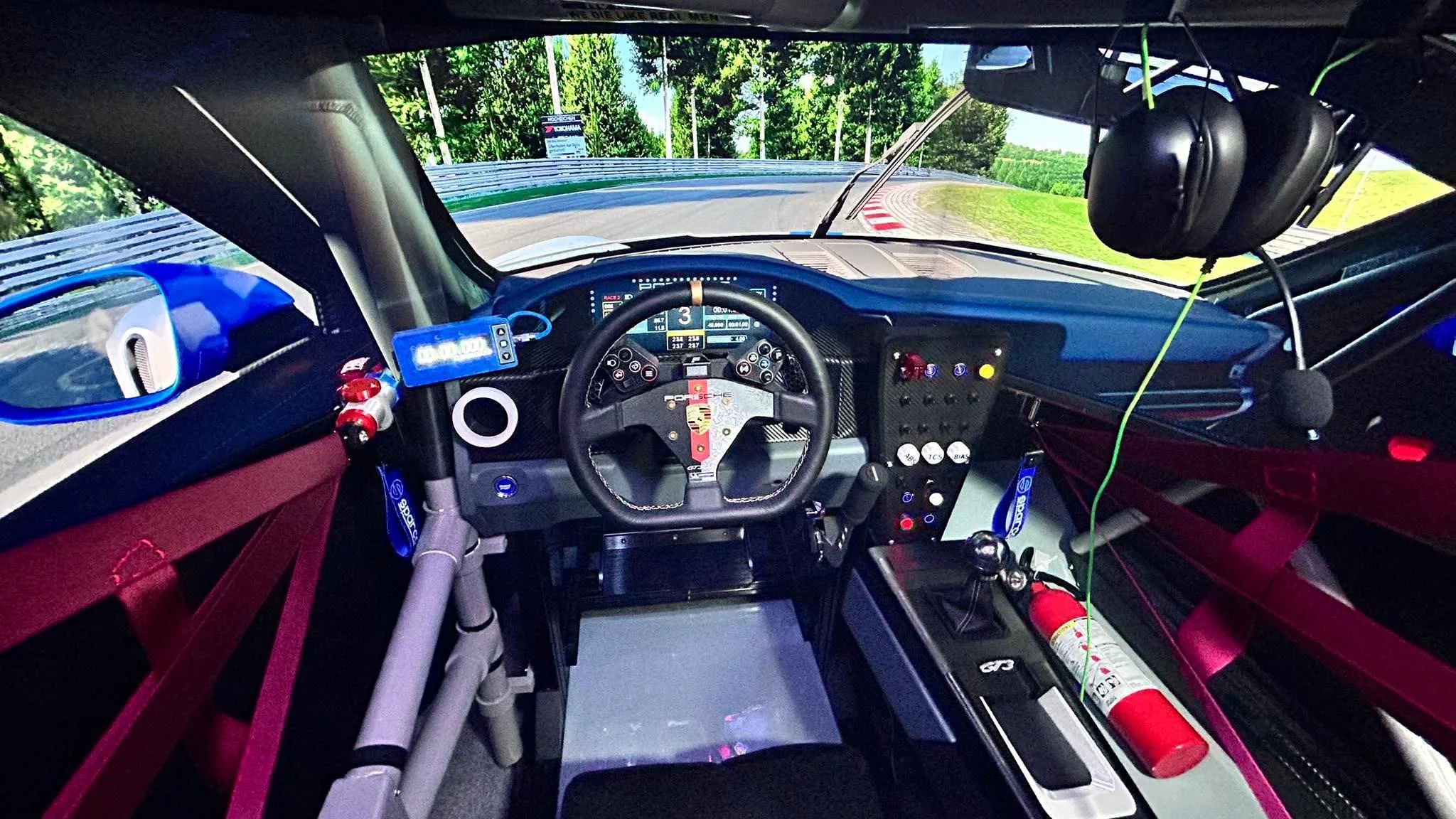

A stand that felt perfectly stable with a belt-driven wheel can start to shake once a direct drive base gets added later. This is one of the more common regrets in sim racing forums: buying a stand that works fine today, only to outgrow it the moment a wheelbase upgrade happens.
FAQ
1. Can a wheel stand handle a direct drive wheel?
Lower-torque direct drive bases often work fine on a sturdy stand, but higher-torque bases tend to expose instability that wasn’t noticeable with a belt-driven wheel.
2. Is a foldable rig a good middle ground?
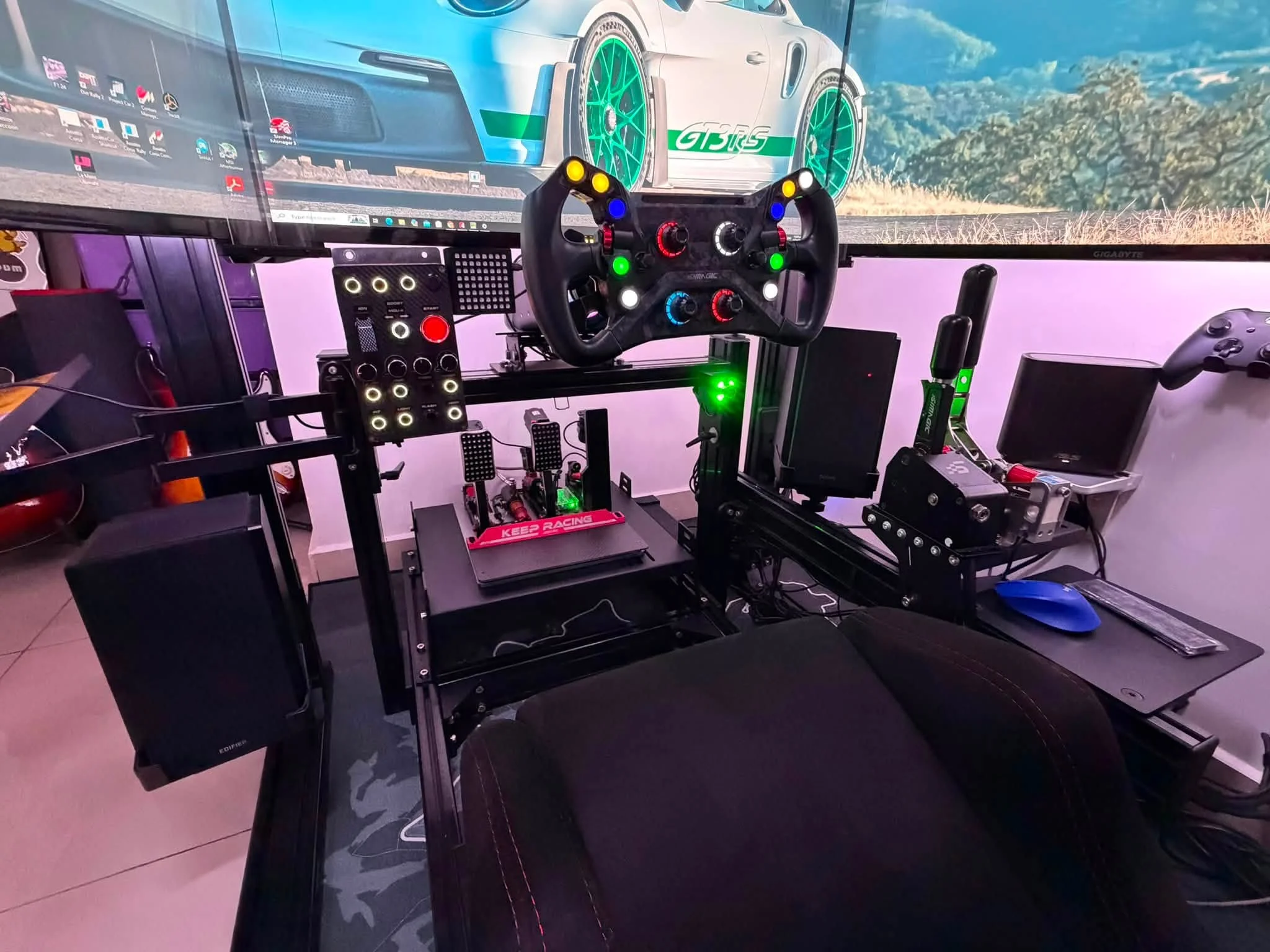
Yes, foldable cockpits like the Playseat Challenge X offer more stability than a basic stand while still packing away for storage, making them a reasonable compromise.
3. Should beginners buy a rig or a stand first?
Most guides recommend a stand first, since it’s cheaper and lets a new driver confirm how often they’ll actually use the hobby before committing to a rig’s permanent footprint.
Final Take
This isn’t really a question of which is objectively better, it’s a question of matching the purchase to actual usage. A stand that gets used four nights a week beats an expensive rig gathering dust in the corner.
This guide reflects general buying guidance based on current sim racing hardware trends. Pricing and specific model availability change frequently, so always check current listings before buying.