

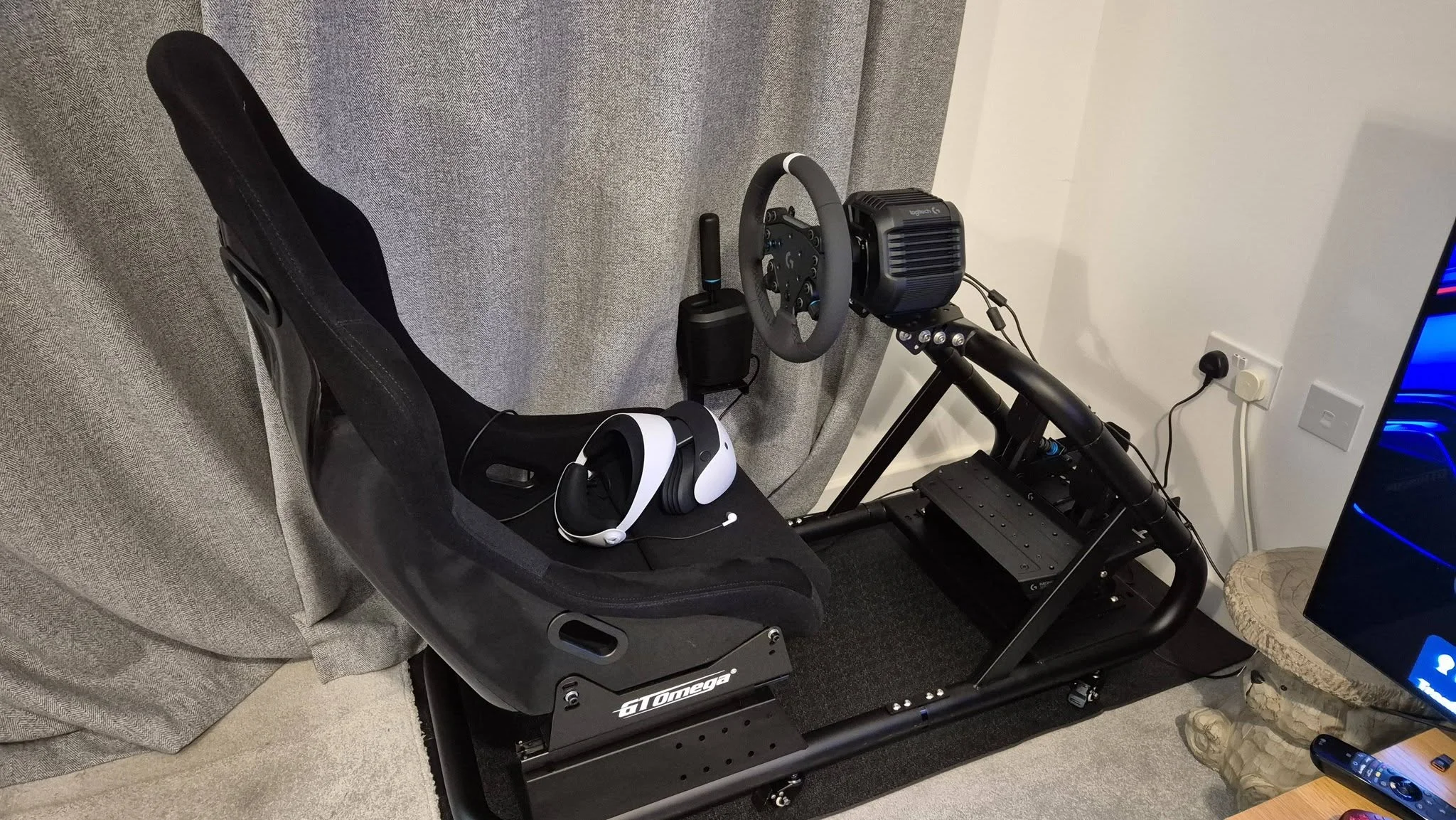
Ask anyone who has upgraded from a $300 gear-driven wheel to a direct drive setup and you’ll hear some version of the same thing: it’s not a small step up, it’s a different category of feedback entirely. Understanding what a direct drive wheel actually is, and why it feels so different, makes it a lot easier to decide if it’s worth the jump for your own setup.
- The motor connects straight to the wheel hub, with no belts or gears in between.
- This removes mechanical “lash,” so feedback like curb strikes and tire slip feels sharper.
- Torque matters, but peak, holding, and ripple specs all count more than one number.
- Casual racers can skip it, but competitive iRacing or Assetto Corsa drivers will feel the difference.
How Direct Drive Actually Works
Traditional gaming wheels, like the ones found in most Xbox and PlayStation racing wheel bundles, use a motor connected to the wheel shaft through a belt or a set of gears. That mechanical translation introduces a small amount of play, known in the sim racing community as “lash,” between what the motor is doing and what the driver’s hands actually feel. The Wikipedia entry on direct-drive sim racing wheels traces the technology back to industrial robotics decades before it reached consumer desks.
- Direct drive wheels skip that translation entirely. The motor’s rotor is bolted straight to the wheel hub, so torque output reaches the hands almost instantly and with no lash to smooth it out.
- Most bases use a 3-phase brushless motor, either an in-runner design (coils on the outside, magnets in the center) or an outrunner design (magnets rotate around a fixed coil). Higher-end bases add a servo-style encoder to track wheel position with extreme precision.
- The technology took a while to reach consumers. UK-based Leo Bodnar Electronics brought the first widely available consumer direct drive wheel to market in 2013, with competitors following soon after.
Torque Isn’t Just One Number
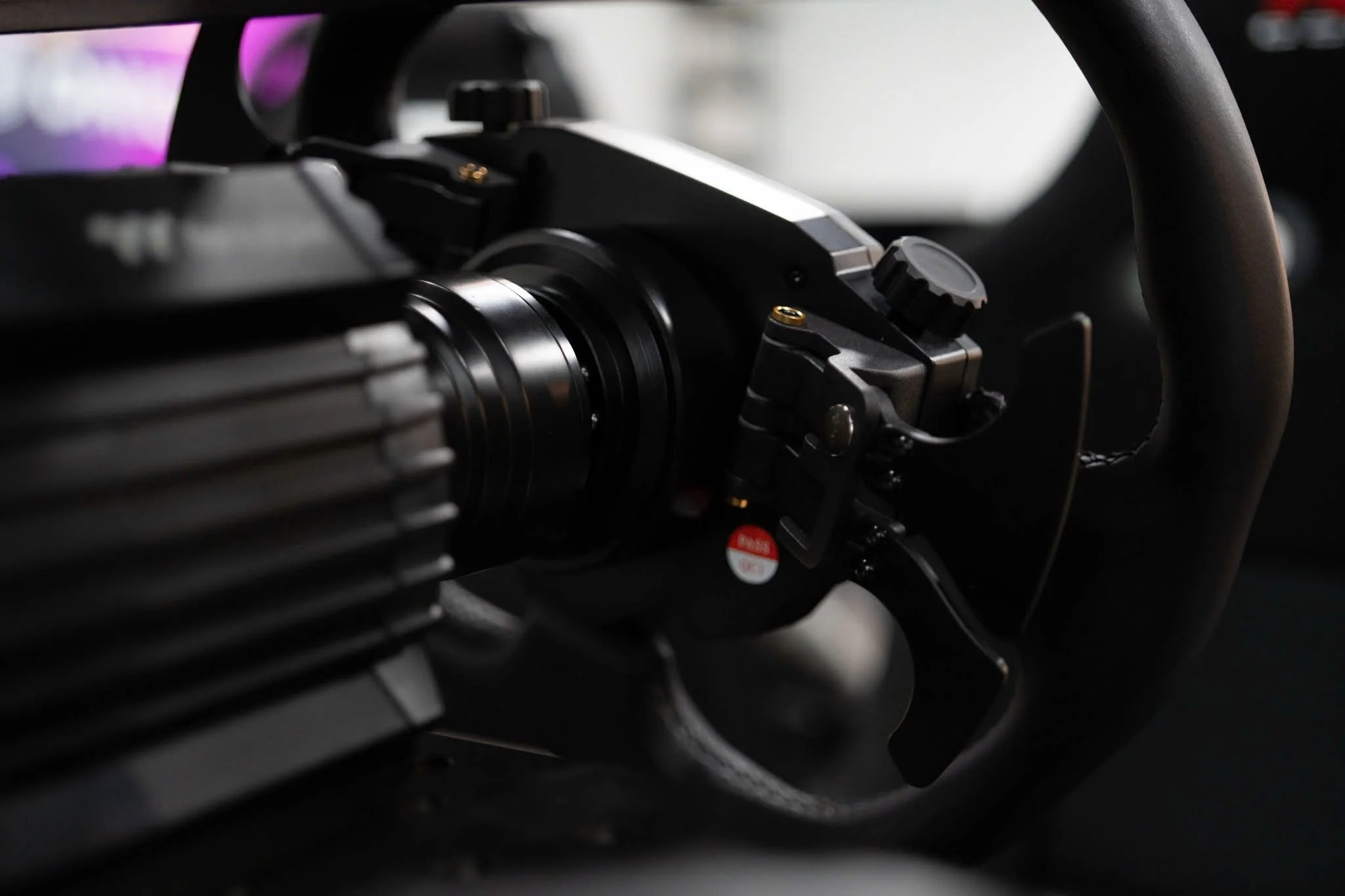
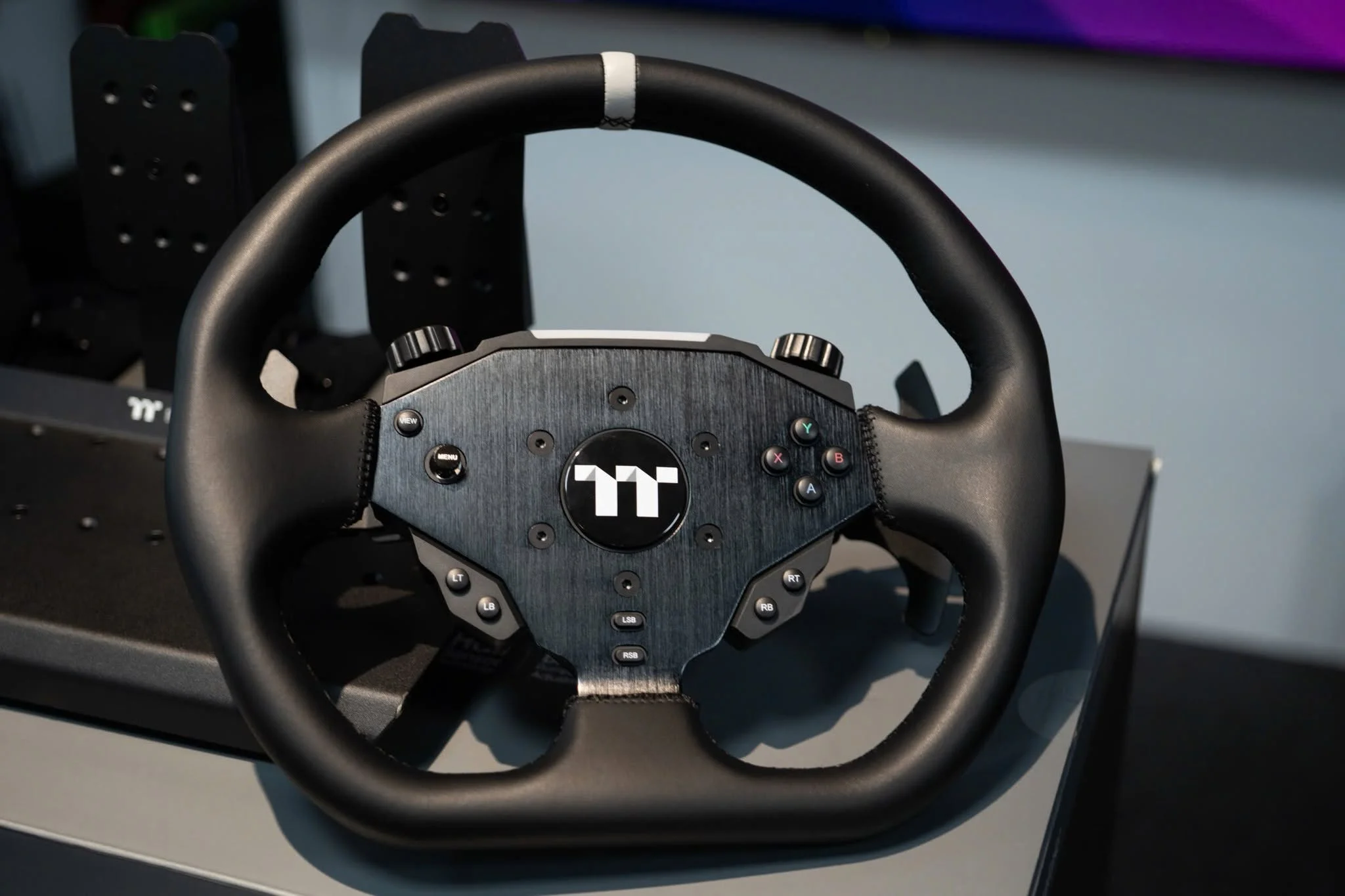
Marketing pages tend to boil a wheelbase down to a single Nm figure, but there are really three separate things worth understanding before comparing models, as detailed in SimRacingCockpit’s direct drive buyer’s guide.
- Peak torque is the maximum force a base can output in short bursts, useful for sudden events like a curb strike or a snap of oversteer.
- Holding torque is how much sustained resistance the base can maintain, which matters more for cornering loads that last a second or two rather than an instant.
- Torque ripple refers to tiny fluctuations in output as the motor rotates. Lower ripple means smoother, more consistent feedback, and it’s part of why some budget bases feel slightly grainy compared to premium ones even at the same peak torque rating.
Reality Check: A base advertised at 15 Nm isn’t delivering that force the whole time you’re driving. That number is almost always peak torque, and sustained holding torque during a long corner can be noticeably lower.
Why It Feels Different From Belt or Gear Drive
Belt-driven wheels, like the Logitech G923, still do a respectable job simulating basic resistance and understeer. Where they fall short is detail. Small vibrations, like the rumble of grass under a tire or the exact moment a tire loses grip, tend to get smoothed out by the belt before they reach the driver’s hands.
On a direct drive base, those same details come through crisp and immediate. Curb strikes feel sharp rather than muffled. Wheel slip has a distinct, learnable feeling that experienced sim racers use to catch a slide before it becomes a spin.
How Much Torque Do You Actually Need
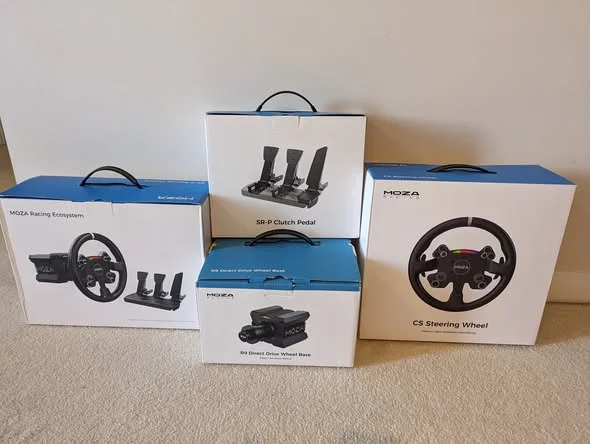
- 3 to 6 Nm: Entry-level direct drive, plenty of detail for most drivers and a common starting point for a first DD wheel.
- 8 to 15 Nm: Where most enthusiasts settle, strong enough to simulate heavier cars like GT3 machines convincingly.
- 18 Nm and up: Aimed at drivers who want to feel every bit of force feedback games can output, often the choice of sim racing pros and content creators.
Most sim racing software also lets drivers cap output well below a base’s maximum, so buying a higher-torque base doesn’t mean being forced to use all of it right away.
Do You Actually Need One?
- Casual arcade racers playing something like Forza Horizon probably won’t notice enough benefit to justify the price jump.
- Anyone serious about iRacing, Assetto Corsa, or league racing will likely find a direct drive base changes how consistently they can find the limit of grip.
- Reliability matters as much as raw specs. Established brands with simpler, well-tested designs tend to hold up better over years of use than newer budget entrants chasing a torque number.
FAQ
1. Is a direct drive wheel worth it for a beginner?
It can be, but it’s not required. A lot of sim racers start on a gear-driven wheel to confirm they enjoy the hobby before spending more on a direct drive base.
2. What torque should a first direct drive wheel have?
Something in the 5 to 9 Nm range covers most use cases well without being overwhelming on a lighter desk mount or entry-level cockpit.
3. Can a direct drive wheel damage my desk?
A higher-torque base mounted to a flimsy desk can flex or shift under hard force feedback, which is why many direct drive owners eventually move to a dedicated cockpit or a reinforced mount.
4. Do direct drive wheels work with every racing game?
Most modern PC sim racing titles support direct drive bases well. Compatibility with consoles is more limited and varies by brand, so it’s worth checking a specific base’s console support before buying.
Final Take
A direct drive wheel is less about chasing a spec sheet number and more about how much detail a driver actually wants to feel through their hands. For casual racing, a good gear-driven wheel still gets the job done. For anyone chasing lap times or racing competitively online, direct drive tends to be the point where a setup stops feeling like a toy and starts feeling like a tool.
This guide reflects general buying guidance based on current sim racing hardware trends. Pricing and specific model availability change frequently, so always check current listings before buying.


