
If you’re building a PC on a tight budget or upgrading an older system, 7th generation Intel CPUs still offer capable performance for gaming and general computing. These processors have been around long enough to drop in price, making them attractive for anyone who doesn’t need cutting-edge specs. Whether you’re after a quad-core chip for everyday tasks or something with a bit more muscle, the CPUs below deliver solid value when paired with compatible LGA 1151 motherboards.
Recommended by Us
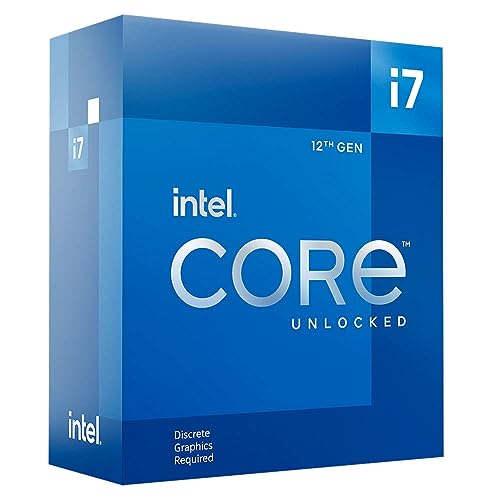
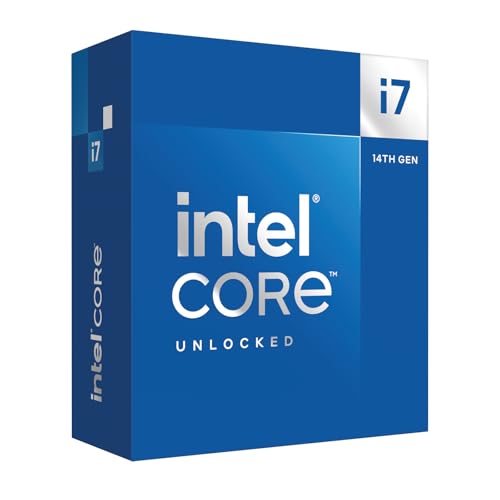
Intel Core i7-12700KF Processor
- Flexible core architecture (8P+4E) excels at both gaming and professional applications
- Excellent power efficiency relative to performance output
- Unlocked K-series design appeals to overclockers and performance tweakers
- 36MB cache improves performance in memory-sensitive workloads
- Requires LGA1700-compatible motherboard and DDR5 or high-end DDR4 boards
- No integrated graphics means discrete GPU is mandatory
- Platform ecosystem is newer with fewer budget motherboard options than prior generations

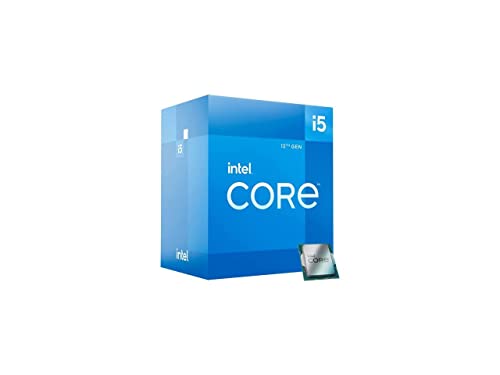
Intel Core i5-7500 LGA 1151 Processor
- Affordable option for users building a basic productivity or light gaming PC
- Adequate performance for web browsing, office work, and video playback
- Mature 7th generation platform with wide motherboard availability and driver stability
- Four cores without hyperthreading limits performance in multi-threaded applications like video editing or streaming
- Older generation architecture means it lacks efficiency and performance improvements of current chips
- TDP not listed in product information, making power supply planning unclear
Intel Core i7-7700K 4C/8T Unlocked
- Low power consumption at 91W makes it easy to cool and keeps electricity bills down
- Unlocked K-series design allows customization through overclocking
- Integrated UHD Graphics 630 eliminates need for discrete GPU for light tasks
- 8MB cache supports smooth performance in everyday and moderate workloads
- Older architecture means it lacks the performance improvements of newer generations
- Limited to 4 cores, which may bottleneck in heavily threaded modern applications
- Compatibility restricted to Intel 100 and 200 series chipset motherboards, limiting upgrade paths

Intel Ultra 7 270K Processor LGA1851
- High core count ideal for video editing, 3D rendering, and streaming applications
- Unlocked for overclockers and power users seeking maximum performance tuning
- Latest-generation platform with PCIe 5.0 and high-speed DDR5 memory compatibility
- 5.5 GHz boost clock provides strong single-threaded performance for gaming
- Requires Intel 800 Series chipset motherboard and new LGA1851 socket, incompatible with older platforms
- High thermal power envelope (250W max turbo) demands robust cooling solution and stable power delivery

Intel Core i7-7700 4C/8T 3.6-4.2GHz
- Extremely low 65W power draw is ideal for office PCs and media centers
- Quad-core design provides sufficient performance for everyday use and content consumption
- Integrated graphics eliminate the need for a discrete card in non-demanding setups
- Wide motherboard compatibility across Intel's 100 and 200 series lineup
- Renewed pricing offers significant savings versus original retail
- Four cores are below modern standards for heavy video editing, 3D rendering, or competitive gaming
- No overclocking support limits performance headroom for enthusiasts
- Platform is aging; newer chipsets and CPUs offer better efficiency and features

Intel Core i7-7700K Unlocked Processor
- Unlocked K-series design enables custom overclocking configurations
- 8M cache supports both gaming and content creation tasks
- Quad-core foundation remains competent for many modern applications
- Mature, well-documented platform with abundant community resources
- Requires 100 or 200 series motherboards only, limiting platform options
- Four cores may feel limiting for heavily multi-threaded workloads compared to newer processors
- Kaby Lake is a previous generation architecture with no further updates available
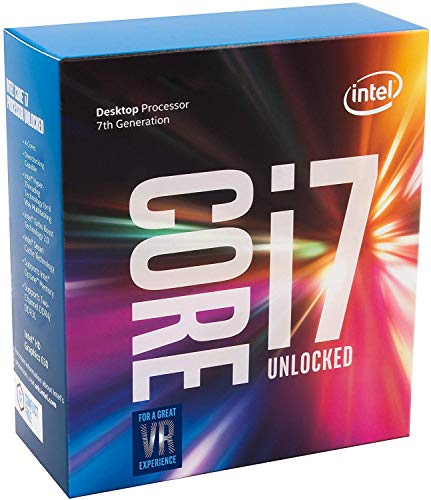
- Solid quad-core, eight-thread design handles both gaming and content creation tasks well
- Integrated graphics eliminate the need for a dedicated card in non-gaming builds
- Turbo boost up to 4.5 GHz provides snappy performance when needed
- Intel Optane Memory support available for users seeking faster NVMe performance
- Requires LGA 1151 socket, limiting motherboard compatibility to Intel 100 and 200 series chipsets
- TDP not listed in product data, making power consumption difficult to assess
- 7th generation architecture is several years old compared to current mainstream desktop CPUs
What Fits Your Build
For budget-focused builders, I’d lean toward the Intel Core i5-7500 LGA 1151 7th Gen Core Desktop if you want a no-frills quad-core option. It hits 3.8 GHz under load and supports up to 64GB of DDR4 memory, making it practical for light gaming and everyday productivity without breaking the bank. If you need more headroom for streaming, content creation, or heavier workloads, the Intel Core i7-7700K Desktop Processor 4 Cores is the stronger choice. It unlocks to 4.5 GHz and comes with 8 MB of cache, giving you extra performance when you need it. Both chips work with 100 and 200 series motherboards and support Intel UHD Graphics 630 for light gaming without a dedicated GPU. For those wanting a non-overclocked alternative, the Intel Core i7-7700 Desktop Processor 4 Cores up delivers similar cores and threads but at lower power draw, which helps with cooling on tighter builds.
FAQs
What motherboard socket do 7th gen Intel CPUs use?
7th generation Intel processors use the LGA 1151 socket, which is compatible with Intel’s 100 and 200 series chipsets (H110, B150, Z170, etc.). Make sure your motherboard explicitly lists 7th gen Kaby Lake support before purchasing. Intel maintains socket compatibility guides on its official site.
How many cores do 7th gen CPUs have?
Most mainstream 7th gen chips like the i7-7700 and i5-7500 feature four cores with eight threads each. This core count is still adequate for gaming and multitasking, though newer workloads prefer six cores or higher. Heavier creative work will benefit more from having extra cores available.
Do 7th gen Intel processors need special cooling?
The locked 7th gen models run at 65W TDP, so a basic stock cooler or budget aftermarket option handles them easily. Unlocked K-series chips like the i7-7700K can draw more power under heavy load, so consider a better tower cooler if you plan to overclock or run sustained workloads.
Can I use 7th gen CPUs for gaming today?
Yes, especially at 1080p and 1440p resolutions where the GPU matters more than the CPU. Pair one with a modern graphics card, and you’ll get smooth frame rates in most games. CPU-heavy titles at high refresh rates will benefit from understanding how GPU and CPU affect FPS in your specific game.
How much RAM should I pair with a 7th gen Intel CPU?
16 GB of DDR4 memory is the modern standard and works well with 7th gen chips for gaming and productivity. These processors support up to 64 GB, so you can add more later if needed without replacing your CPU.
Editor’s Verdict
The best 7th gen Intel CPUs remain practical for budget builds and older systems. The Intel Core i7-7700K offers the best balance of price and performance, while the i5-7500 suits those who want entry-level simplicity.