

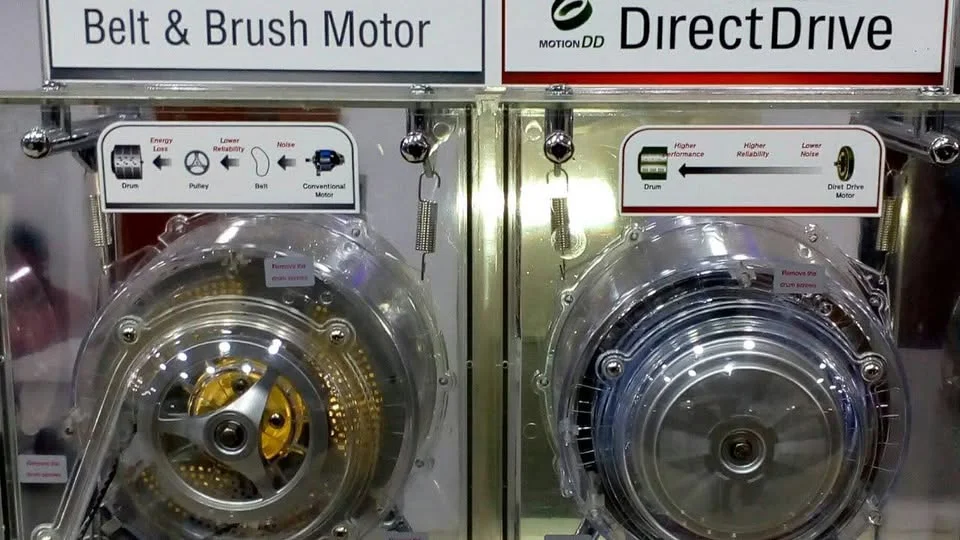
Every sim racer eventually runs into this exact fork in the road, usually right after their first wheel starts feeling limiting. The three drive types aren’t just different price points on the same technology, they’re genuinely different ways of getting force from a motor into a driver’s hands, and the differences show up in ways that go well beyond the spec sheet.
- Gear drive is the cheapest and least detailed, using physical gears that introduce noticeable play.
- Belt drive smooths that feeling out significantly while staying more affordable than direct drive.
- Direct drive connects the motor straight to the wheel for the most detailed, lowest-latency feedback.
- The right choice depends on budget and how seriously competitive racing is being taken.
How Each System Actually Works
- Gear drive uses physical gears to transfer motor torque to the wheel shaft, the simplest and cheapest mechanism of the three.
- Belt drive connects the motor to the shaft through a toothed belt, similar to a timing belt in a car, which smooths out the motor’s rotation compared to gears while still multiplying torque.
- Direct drive skips both entirely, bolting the motor rotor straight to the wheel hub with nothing in between. For a deeper look at this mechanism specifically, see our guide on what a direct drive wheel actually is.
Side-by-Side Comparison
| Factor | Gear Drive | Belt Drive | Direct Drive |
|---|---|---|---|
| Force feedback ratio | Up to 20:1 | Up to 20:1, smoothed | True 1:1 |
| Typical latency | 15 to 25ms | 10 to 15ms | 3 to 8ms |
| Feel | Notchy, less detailed | Smoother, moderate detail | Sharp, highly detailed |
| Durability | Wears faster | More durable than gear | Fewest moving parts, stays consistent |
| Typical price range | Budget, often bundled | Mid-range | Entry DD starts around gear/belt flagship pricing, climbs from there |
These figures are drawn from technical comparisons published by ProSimHQ’s sim racing wheel feel guide and Fanatec’s own gear/belt vs direct drive explainer.
Why the Ratio Number Matters
The force feedback ratio describes how much the motor’s actual output gets mechanically altered before reaching the driver’s hands. A 20:1 ratio on gear and belt systems means a lot of the motor’s fine detail gets lost in translation. Direct drive’s 1:1 ratio is the reason it can reproduce subtle effects, like the exact moment a tire starts to lose grip, that gear and belt systems tend to blur together.
Reality Check: Latency numbers in the single digits versus low double digits sound like a small gap on paper, but in a fast-reacting slide, that gap is often the difference between catching the car and not.
What Each Drive Type Actually Looks Like on the Shelf
- Gear drive is what most bundled console and PC starter kits use, like the Logitech G920. These are usually sold complete with pedals for one price.
- Belt drive covers most mid-range wheels, including higher-end Logitech and Thrustmaster models that add TRUEFORCE or similar refinements on top of the belt mechanism.
- Entry direct drive now starts in roughly the same price territory as a premium belt-driven wheel, with bundles like the Moza R3 or Fanatec CSL DD putting real direct drive within reach of a first-time buyer rather than only enthusiasts with a bigger budget.
Degrees of Rotation and Why It’s a Separate Question
Drive type and rotation range often get confused, but they’re independent specs. A wheel’s rotation range, how many degrees it can physically turn lock to lock, depends on the base’s design rather than whether it’s gear, belt, or direct drive. Entry gear-driven wheels sometimes cap out around 900 degrees, while most direct drive bases support far more, but a base’s maximum rotation says nothing on its own about feedback quality or latency.
What Actually Wears Out Over Time
- Gear drive components experience the most physical friction, and a noticeable rattle or looseness developing after a year or two of regular use isn’t unusual.
- Belt drive belts can stretch slightly over years of heavy use, introducing a small amount of play that wasn’t there when the wheel was new.
- Direct drive bases have the fewest moving parts by design, which is a big part of why owners report them staying consistent for years without the mechanical slop that develops in the other two systems.
Which One Actually Makes Sense to Buy
- Gear drive is a reasonable way to confirm interest in the hobby without a big investment, even if it won’t hold up as skills improve.
- Belt drive is where a lot of intermediate racers land, offering enough detail and durability to genuinely compete without direct drive pricing.
- Direct drive is the endpoint for most enthusiasts eventually, and increasingly reachable at entry price points that weren’t available a few years ago.
A Quick Way to Decide
- Still deciding if sim racing is a real hobby for you? Start with gear drive or borrow a friend’s setup before spending more.
- Racing regularly and want to compete seriously? Belt drive is a genuinely competitive, cost-effective landing spot.
- Chasing every bit of detail and planning to stick with the hobby long-term? Entry direct drive is worth stretching the budget for, since it tends to be the last upgrade in this category most people make.
FAQ
1. Is belt drive good enough for competitive racing?
Yes, plenty of competitive league racers use belt drive wheels successfully. Direct drive is a refinement, not a requirement, for competing seriously.
2. Does gear drive damage easily?
Gear drive systems tend to wear faster than belt or direct drive over heavy use, since the physical gears experience more friction over time.
3. Is upgrading from belt to direct drive noticeable?
Most drivers describe it as a clear, immediate difference, particularly in how sharply curb strikes and grip loss come through.
4. Can I use the same wheel rim across all three drive types?
It depends on the quick release standard. Many brands use compatible mounts across their own product lines, but cross-brand compatibility varies.
Final Take
None of these three systems is objectively wrong to buy, they represent different points on the same tradeoff between cost and fidelity. Gear drive gets someone racing, belt drive gets someone competing, and direct drive gets someone the closest approximation of what the hardware can offer.
This guide reflects general buying guidance based on current sim racing hardware trends. Pricing and specific model availability change frequently, so always check current listings before buying.


