
GPUs do degrade over time, but most last five to eight years with normal use and decent cooling. Heat is the biggest factor. Long before a card fails, though, a mid-range one often stops feeling fast, around the three-year mark, simply because new games ask more of it than it can give.
- Most GPUs physically last 5 to 8 years.
- A mid-range card usually stays fast for about 3 years.
- Sustained heat wears a card out fastest.
- Cleaning, good cooling, and a solid PSU extend its life.
Physical Lifespan vs Performance Lifespan
These are two different things. The physical lifespan is how long the hardware keeps working, which is around 5 to 8 years with regular use and adequate care. The performance lifespan is how long it stays fast enough for what you want to play, and that’s much shorter. CGDirector’s lifespan guide puts a mid-range card at roughly three years of mid-to-high performance.
What Wears a GPU Out
- Heat: continuous running at 80 to 90 degrees or more shortens life, and sustained extreme heat degrades the thermal paste and fans
- Unstable overclocks: pushing voltage past the maker’s limits can permanently damage a card
- A bad or underpowered PSU, which can damage every part in the PC
- Power surges, since a PSU doesn’t protect against them
- Manufacturing defects, which occasionally slip through, and a warranty claim can cover
Heat is the one you can actually control. Compare your numbers to what GPU temperature is too high, and don’t panic over 100% GPU usage on its own, since it’s cooling that decides whether that hurts.
Signs Your GPU Is Dying
The usual symptoms are random crashes, overheating, and graphical glitches such as flickering or strange artifacts on screen. If the fans have stopped doing their job, that’s another warning, so check how GPU fans should behave first.
Tip: old thermal paste can cause higher temperatures long before a card is truly worn out. After about three to five years, replacing it can bring temperatures down, as covered in our thermal paste guide.
How to Make a GPU Last Longer
- Clean it at least every three months, more often in a dusty room.
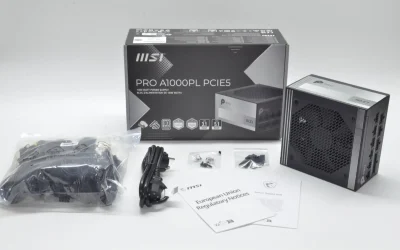
- Buy a PSU from a reputable brand with headroom above your total power draw. Tools like PCPartPicker can estimate your requirements.
- Avoid running the card at maximum load and high temperatures constantly.
- Use a surge protector, which costs under $50.
Stability matters as much as care. Whatever you run, keep your drivers current using Nvidia’s or AMD’s official pages.
Related reading: GPU overheating GPU crashing or freezing.
Frequently Asked Questions
Do GPUs get worse over time?
Yes. Components age with use and heat, and heavier use speeds it up. In practice, most cards are replaced before they wear out.
Will a GPU last 10 years?
Possibly with great care and luck, but it’s unlikely to be useful. Cards from a decade ago are far weaker than modern integrated graphics.
How often should I replace my GPU?
It depends on what you play. Enthusiasts may upgrade every couple of years. Casual players can keep a card for five years or more.
Can a GPU die suddenly?
It can, especially after long heat stress or a power problem, but most show warning signs first, such as crashes, overheating, or visual glitches.