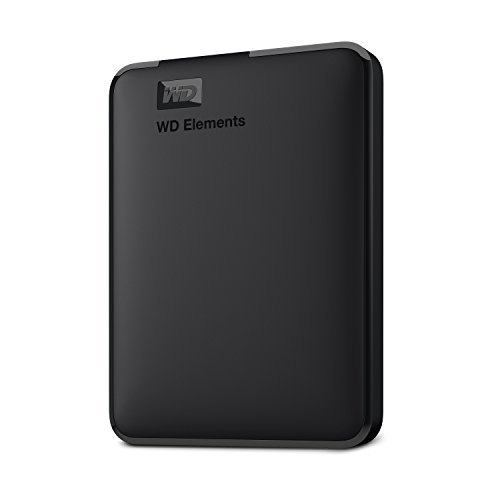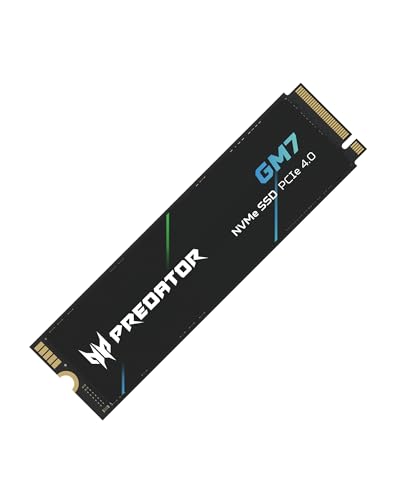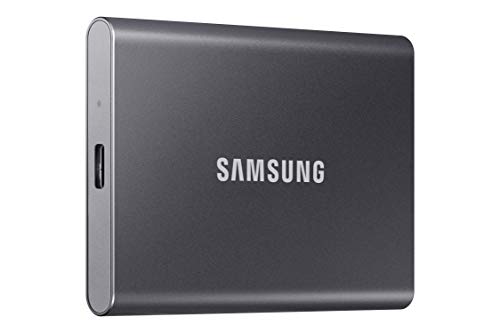

A slow operating system drive bogs down an otherwise capable computer, turning simple reboots into tedious chores. While bulk archives might rely on the best hard drives for long term storage, responsive boot disks require pure flash speed. Selecting the best SSDs as boot drive ensures quick bootups and rapid loading across your primary desktop applications.
Recommended by Us

PNY CS900 500GB 2.5" SATA III SSD
- Up to 550MB/s read and 500MB/s write speeds for quick boot times
- Standard 2.5-inch SATA III form factor fits most desktops and laptops
- Solid 500GB capacity for OS installation and essential applications
- Direct replacement path for slower mechanical hard disk drives
- Limited by SATA III interface ceilings compared to NVMe drives
- Specific endurance ratings such as TBW are not listed in the product data
- 500GB capacity may fill up quickly with large modern game installs

Seagate 2TB Expansion Portable HDD
- Generous 2TB capacity provides ample room for media libraries and system backups
- No bulky external power brick required due to convenient USB bus power
- Lightweight and compact profile fits comfortably into bags for travel
- Fast USB 3.0 plug-and-play operation requires no setup software
- Mechanical drive read and write speeds are naturally slower than solid state alternatives
- Included connection cable is relatively short for distant desktop ports

Seagate Portable 2TB External HDD
- Lightweight and travel-friendly footprint
- Effortless plug-and-play setup with drag-and-drop support
- Bus-powered convenience removes the need for wall adapters
- Affordable bulk storage for system backups and personal archives
- Mechanical drive transfer rates are significantly slower than solid-state drives
- Equipped with a USB Micro-B connection instead of native USB-C
- Plastic casing provides basic protection without ruggedized rubber bumpers
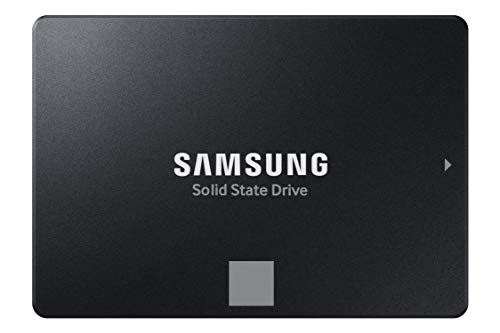
Seagate 2TB Game Drive
- Expands available gaming storage without opening or modifying your console
- Single-cable operation eliminates the clutter of dedicated power bricks
- Durable exterior construction withstands frequent transport in a backpack
- Straightforward setup process requires no technical expertise
- Mechanical drive architecture produces slower transfer rates than external solid state drives
- Current-generation console titles may need to be moved to internal storage prior to launching

Samsung SSD 9100 PRO 2TB, PCIe 5.0x4 M.2 2280
PNY CS900 250GB SATA III SSD
- Speeds up to 535MB/s read and 500MB/s write revitalize older systems
- Universal 2.5-inch SATA III interface fits standard laptop and desktop drive bays
- Energy-efficient and silent operation with solid-state reliability
- Great budget-friendly upgrade solution for HDD replacement
- 250GB capacity may be limiting for large game libraries or massive video archives
- SATA III speeds are naturally slower than modern NVMe PCIe solid-state drives
- Listing does not state included accessories like mounting brackets or SATA cables

SanDisk 1TB Extreme Portable SSD
- Rapid read and write transfer rates
- Compact, lightweight, and travel-ready build
- Protective silicone coating adds drop resistance
- Convenient carabiner loop for securing to backpacks
- Exterior chassis can become warm during sustained heavy write operations
- Included connecting cable is relatively short
Selecting the Ideal Primary Storage for Your System
For builders putting together a modern high-end desktop, I would point directly to the Samsung 990 PRO 2TB. It delivers sequential read speeds up to 7,450 MB/s over PCIe 4.0 and provides plenty of space for an operating system alongside critical creative apps. Hardware experts at Tom’s Hardware frequently emphasize how random read performance impacts general software responsiveness, and this drive excels there with its dedicated nickel-coated controller.
If your motherboard supports next-generation hardware, the Samsung 9100 PRO 2TB is the one I would go for. Its PCIe 5.0 architecture pushes sequential reads up to 14,700 MB/s, backed by a 5nm controller designed for sustained efficiency during heavy multitasking. On the other hand, anyone reviving an older desktop or laptop with SATA connections should look at the Samsung 870 EVO 1TB. It tops out the SATA interface at 560 MB/s sequential read and includes hardware encryption. Meanwhile, content creators who offload large media libraries often combine fast boot drives with the best hard drives to store photos and videos to balance performance and storage.
FAQs
1. How much storage capacity is ideal for an operating system?
A 500GB or 1TB drive provides the most comfortable balance for modern operating systems. Windows and system updates take up considerable room, and system software runs smoothest when solid state media maintains free buffer room. Many users reserve primary drives strictly for software while using the best external hard drives for photos and videos to manage large media collections.
2. Can an older SATA SSD work well as an operating system drive?
Yes, SATA drives still offer a massive upgrade over traditional spinning mechanical hard drives. While modern NVMe drives reach far higher sequential speeds, standard SATA drives achieve fast access times that eliminate boot bottlenecks on older motherboards lacking modern M.2 slots.
3. What makes NVMe drives better for daily computing tasks?
NVMe drives communicate across the PCIe bus rather than the older SATA controller protocol. This interface allows significantly higher bandwidth and lower latency, enabling your computer to process thousands of simultaneous read commands during boot cycles and application launches.
4. Does a boot drive need a dedicated heatsink?
High-speed PCIe 4.0 and PCIe 5.0 drives generate substantial thermal output under heavy operations. Motherboard heat spreaders or attached heatsinks help prevent thermal throttling during continuous write workloads, though standard daily booting rarely pushes drives to extreme temperatures.
Editor’s Verdict
Selecting the best SSDs as boot drive comes down to matching interface speeds to your motherboard capabilities. For modern setups, the Samsung 990 PRO 2TB offers superior PCIe 4.0 responsiveness, while the Samsung 870 EVO 1TB delivers dependable performance for legacy SATA systems looking for a fast upgrade.