
Tesla vehicles write constant multi-camera video feeds whenever security monitoring stays active, placing heavy write strain on basic flash storage. Finding the best SSDs for Tesla Sentry Mode prevents corrupted footage and dropped video frames inside a sweltering glove box. A solid storage setup keeps security clips intact without unexpected write errors during daily parking sessions.
Recommended by Us

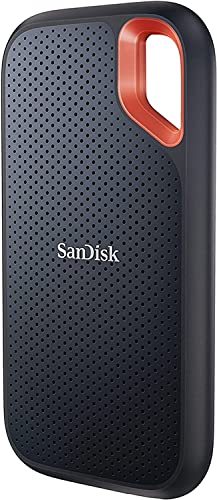
SanDisk 1TB Extreme Portable SSD
- Rapid read and write transfer rates
- Compact, lightweight, and travel-ready build
- Protective silicone coating adds drop resistance
- Convenient carabiner loop for securing to backpacks
- Exterior chassis can become warm during sustained heavy write operations
- Included connecting cable is relatively short

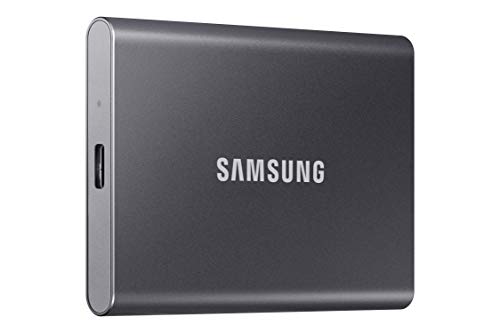
Samsung SSD 9100 PRO 2TB, PCIe 5.0x4 M.2 2280

Seagate 2TB Expansion Portable HDD
- Generous 2TB capacity provides ample room for media libraries and system backups
- No bulky external power brick required due to convenient USB bus power
- Lightweight and compact profile fits comfortably into bags for travel
- Fast USB 3.0 plug-and-play operation requires no setup software
- Mechanical drive read and write speeds are naturally slower than solid state alternatives
- Included connection cable is relatively short for distant desktop ports
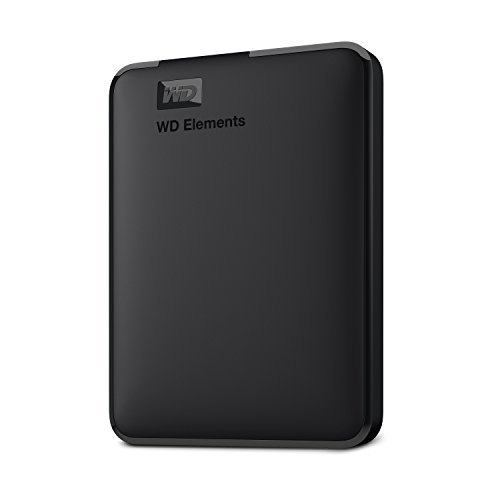
WD Elements 2TB Portable Hard Drive
- Plug-and-play simplicity with no external power brick required
- Generous storage volume in a lightweight portable form factor
- Broad hardware compatibility across USB 3.0 and USB 2.0 systems
- Clean, understated enclosure suitable for work or home setups
- Mechanical drive architecture yields lower sustained transfer rates than solid state alternatives
- Reformatting required for full compatibility with macOS systems
Samsung SSD 9100 PRO 1TB, PCIe 5.0x4 M.2 2280

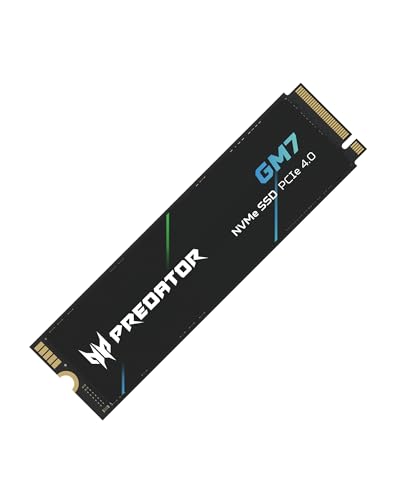
Kingston NV3 1TB M.2 NVMe SSD
- High-speed PCIe 4.0 Gen 4x4 performance rated up to 6000 MB/s
- Space-efficient M.2 2280 form factor requires zero data or power cables
- Ample 1TB capacity for everyday productivity, multimedia, and gaming
- Reliable internal design suited for both laptops and desktop systems
- Requires an M.2 slot supporting PCIe 4.0 to achieve maximum advertised speeds
- Detailed endurance metrics and included thermal hardware are not listed in the specifications
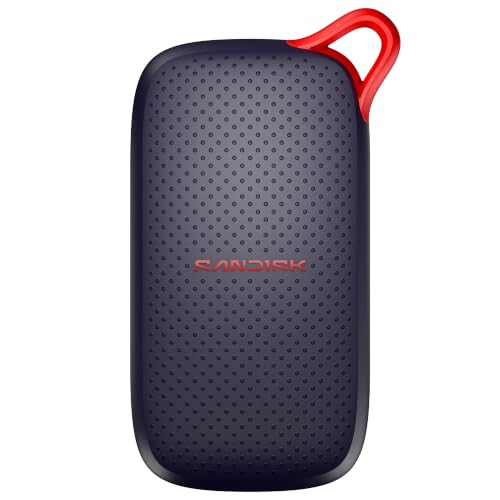
SanDisk 1TB Portable SSD
- Fast read performance reaching up to 1000MB/s
- Rugged design with up to 2-meter drop resistance
- Ultra-compact pocket size tailored for mobile use
- Broad support across laptops and tablet devices
- Specific connection interface type is not specified in the listing
- Sustained write speeds are omitted from the technical details
Choosing the Right Drive for Cabin Thermals and Video Writes
For most drivers who want a direct plug-and-play setup without assembling extra hardware, I would go with the SanDisk 2TB Extreme. It plugs directly into the glove box USB port with its native cable, features IP65 water and dust resistance, and handles non-operating temperatures between -20C and 85C, which is ideal for hot car interiors during summer parking. If you want a more budget-friendly portable unit with solid capacity, the SanDisk 1TB Portable SSD provides up to 1000MB/s read speeds and two-meter drop protection in a compact package. The official SanDisk specifications highlight its drop resistance for mobile travel.
On the other hand, enthusiasts building a custom setup with a dedicated USB-to-M.2 enclosure often pick internal drives. In that category, I would point toward the Samsung 990 PRO 2TB. While regular car owners often compare portable flash against traditional external hard drives for photos and videos, solid-state memory avoids mechanical failure from car vibrations. The 990 PRO uses a nickel-coated controller for thermal management and delivers read speeds up to 7450MB/s.
FAQs
1. Why is an SSD better than a USB flash drive for Sentry Mode?
USB thumb drives often overheat during continuous video writes from multiple cameras, leading to dropped frames or corrupted video archives. An SSD provides higher sustained write throughput, better thermal dissipation, and flash memory controllers designed for continuous data streams.
2. How much storage capacity is needed for Tesla dashcam clips?
A drive between 1TB and 2TB provides ample room for continuous dashcam loops and security recordings without filling up quickly. When organizing extensive security footage alongside media, looking at how users organize hard drives to store photos and videos reveals how fast high-bitrate video clips accumulate over several weeks.
3. Can I use an internal M.2 NVMe SSD in a Tesla?
Yes, but you must install the M.2 drive into an external USB-C enclosure before connecting it to the vehicle. Modern drives like the Kingston NV3 1TB offer read speeds up to 6000MB/s, but the vehicle USB port limits real-world throughput to standard USB interface speeds.
4. Does extreme cabin heat damage an external SSD?
Car cabins can exceed 140 degrees Fahrenheit in direct sunlight, which affects electronics over time. Using drives with wide temperature tolerances helps safeguard data. You can read hardware analyses on tech outlets like Tom’s Hardware explaining how thermal throttling protects modern flash storage.
5. How should a drive be formatted for Tesla vehicles?
Tesla vehicles format connected drives directly through the touchscreen menu under the Safety settings. Similar to selecting hard drives for long term storage, proper formatting ensures the drive uses exFAT formatting with the correct partition structure for video recording.
Editor’s Verdict
If you want reliable video recording without hassle, the SanDisk 2TB Extreme and SanDisk 1TB Portable SSD stand out among the best SSDs for Tesla Sentry Mode. Both models offer direct USB connectivity, sturdy drop protection, and generous write bandwidth to keep all camera angles streaming smoothly during daily parking and highway driving.